Our guides
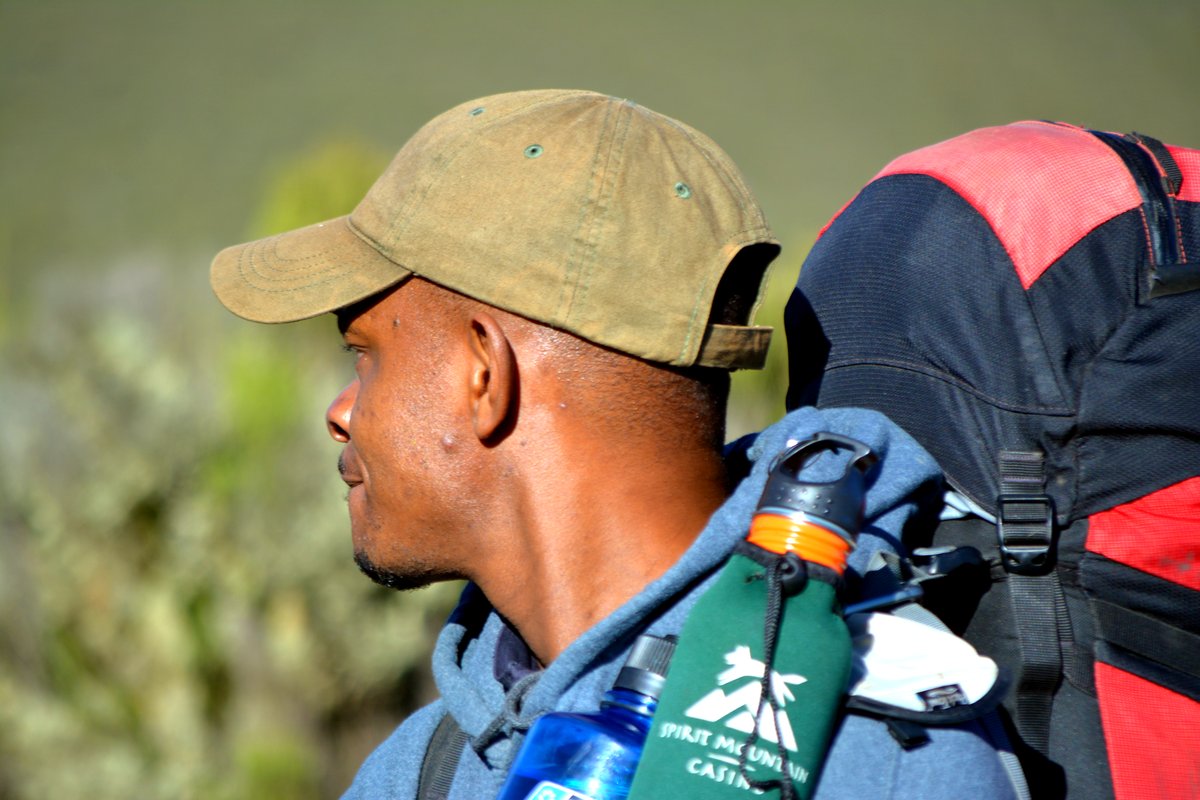
Your lead guide makes the decisions that matter most on the mountain — the pace, the health checks, and if it comes to it, the turnaround call.
Our guides are not listed here yet
We publish a guide's name, photograph and experience only with their written permission, and only where the years and any certificate can be evidenced. We are collecting that properly. Until it is done this page explains what to ask any operator — including us — rather than showing faces we cannot stand behind.
Ask us about your guide
Tell us your dates and we will tell you who is leading that climb, how long they have been guiding, and what they are qualified in.
The rest of the crew
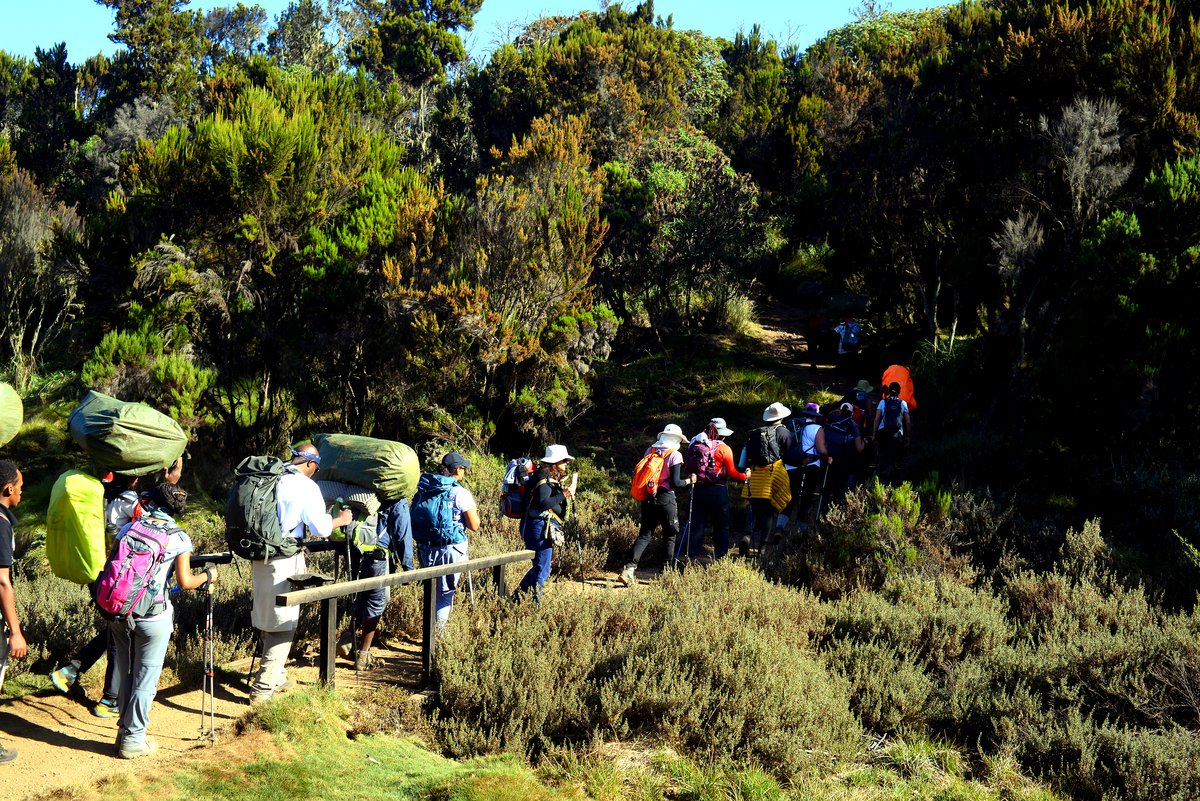
Guides are a third of the people with you
Cooks and porters carry the camp, the water and the food, and they do it faster than you will walk it. What we pay them, what they carry and what they are issued is set out in full on our porter welfare page.
How we treat our crewYou will spend a week walking behind one person, and on the hardest night of the trip you will be relying on their judgement in the dark at 5,000 m. It is worth understanding what guiding on Kilimanjaro actually involves, and what the various credentials do and do not mean.
What is legally required
Kilimanjaro National Park does not permit unguided climbs. Every group must be led by a guide licensed by the park authority, and the licence is a baseline — it establishes that somebody is permitted to lead on the mountain, not that they are experienced, medically trained or good at the job.
What actually distinguishes a good guide
- Years on the mountain, and in what role. Most senior guides start as porters and work up through assistant guide. Somebody with a decade of ascents has seen every way a week can go wrong.
- Willingness to turn people around. The hardest part of the job is telling a client who has flown eight thousand kilometres and paid several thousand dollars that they are going down. A guide who finds that easy is rare; a guide who avoids it is dangerous.
- Recognising altitude illness early. Severe altitude sickness is generally preventable if the mild version is caught, and the catching is done by somebody watching how you walk and speak, not only by a pulse oximeter.
- Pace. The single most useful thing a guide does all week is walk slower than you want to. Groups that summit tend to be the ones that were bored on day two.
- Language. Fluent enough to explain a medical decision under pressure, not only to name the wildlife.
Certificates worth asking about
Wilderness First Responder, Wilderness First Aid and similar remote-medicine qualifications are the ones that matter at altitude, because they train for a casualty who is hours from a road. A standard workplace first-aid certificate is not the same thing. Any operator quoting a qualification should be able to name the awarding organisation and the date it was issued, because these expire.