
Best Jun–Oct
Tarangire River
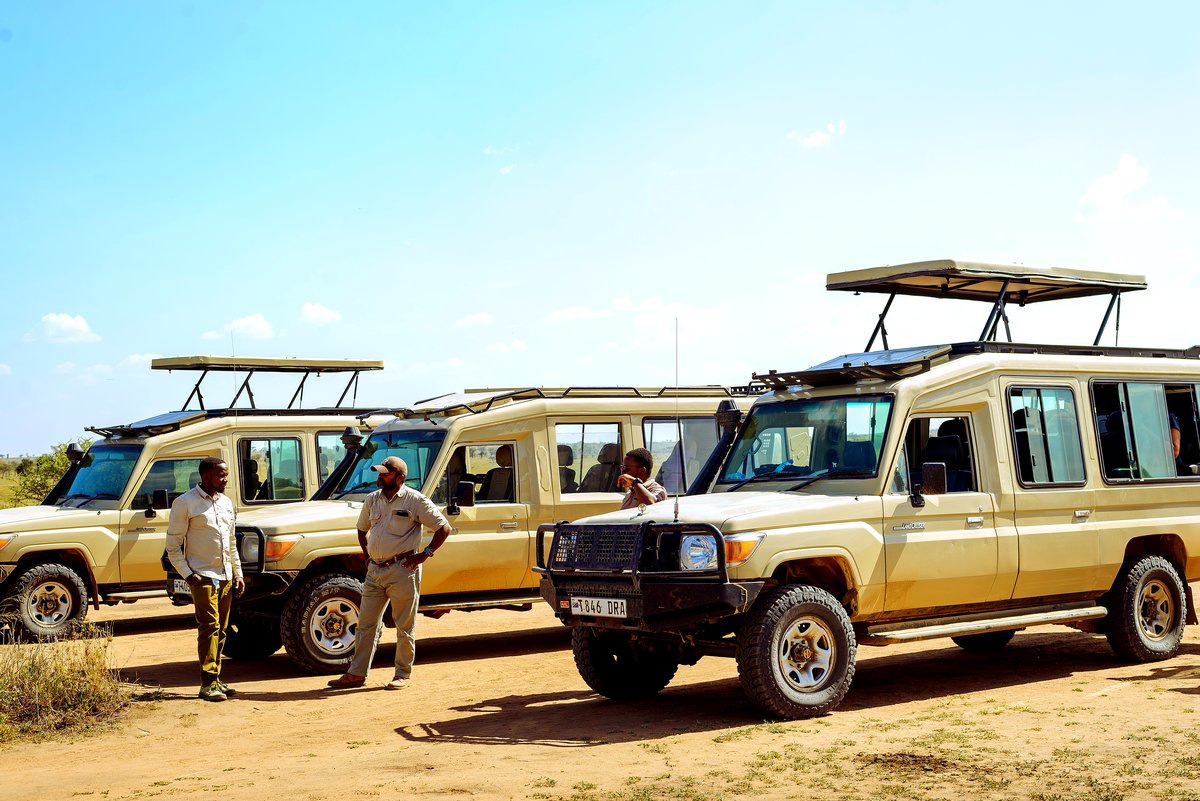
The heart of the park and where most game drives go. In the dry season elephants, buffalo and antelope gather along its banks.
Tanzania safari
Baobabs, big elephant herds and far fewer vehicles — the nearest northern park to Arusha.
Baobabs, big elephant herds, and a fraction of the vehicles.
Tarangire is the nearest of the northern parks to Arusha and the most underrated. In the dry season the Tarangire River is the only water for miles, and the animals come to it.
Where to stay
Most visitors only see the north, around the river. The south is wilder and takes longer to reach.
Best Jun–Oct
The heart of the park and where most game drives go. In the dry season elephants, buffalo and antelope gather along its banks.
Year round
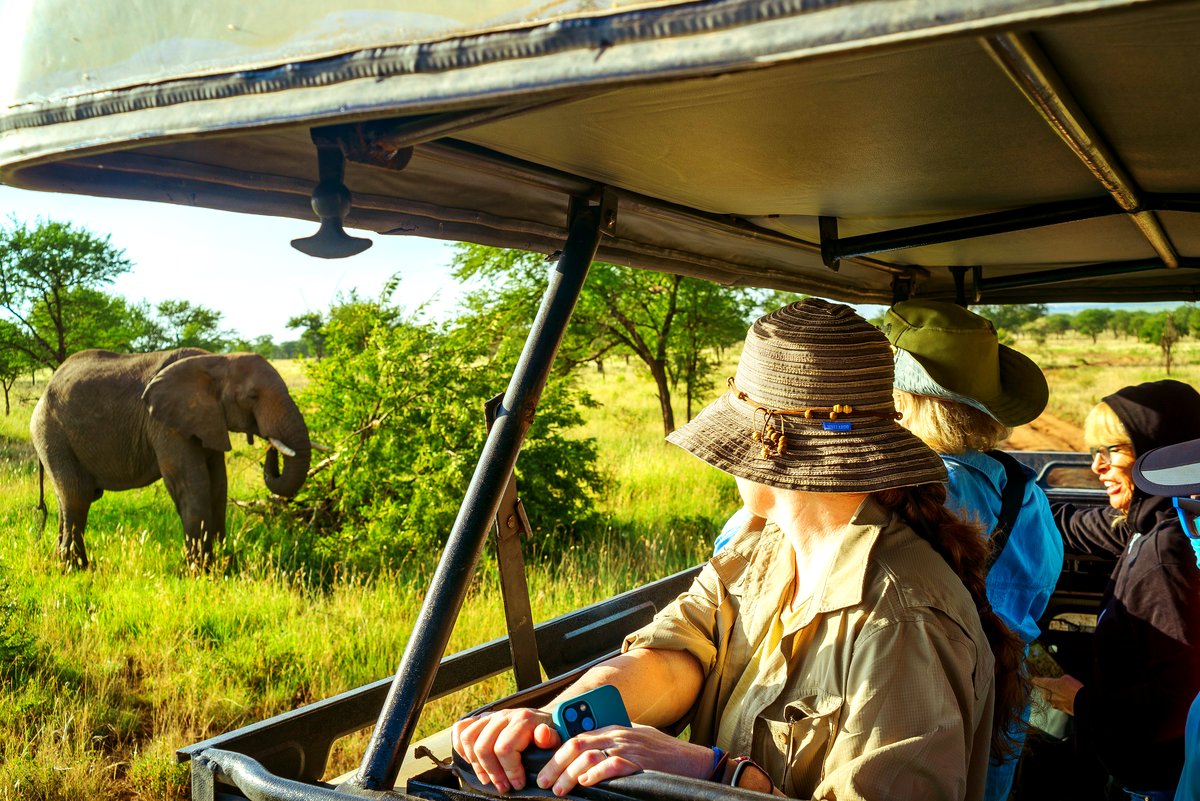
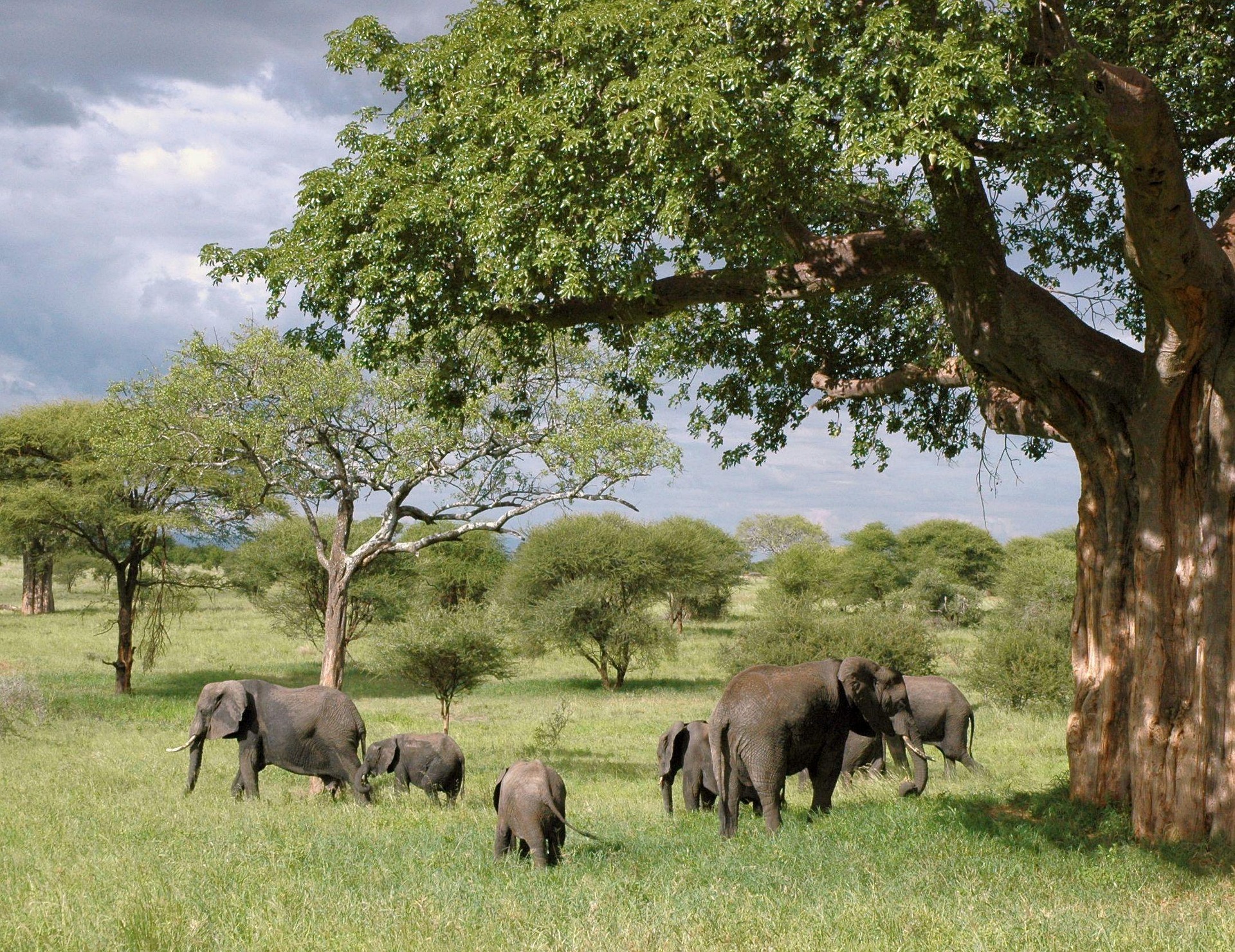
Rolling woodland studded with enormous baobab trees, many of them centuries old. The landscape people remember Tarangire for.
Best Jun–Oct
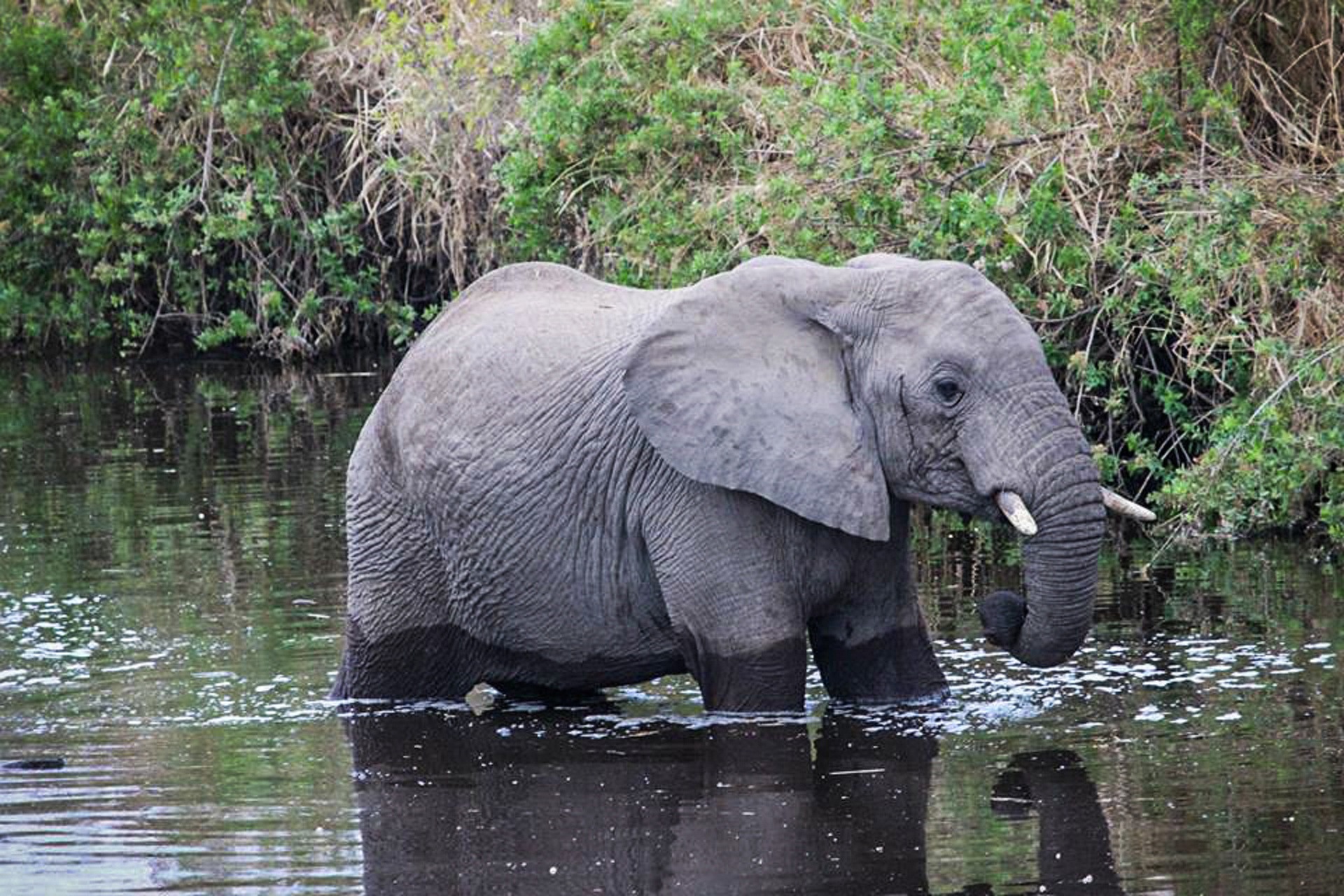
A seasonal swamp that holds water long after the rest of the park dries out, drawing elephants, buffalo and the predators that follow.
Dry season
Remote and far less visited. It needs more time, and it rewards it with a sense of having the park to yourself.
Experiences
Along the river and through the baobab woodland. Close enough to Arusha to be the first afternoon of a safari.
Guided walks are possible in some areas with an armed ranger. Ask us where, and whether it suits your dates.
Tarangire has a very long bird list, and in the wet months migrant species arrive. Good even for people who did not think they liked birds.
Elephants, in numbers that surprise people, against a landscape of baobabs that looks like nowhere else on the circuit.
Far fewer vehicles than the Serengeti or the crater, and the south of the park is quieter still.
Timing. In the wet months many animals leave the park, so it is at its best from June to October.
When to go
Tarangire changes more with the seasons than any other northern park: packed in the dry months, spread out and green in the wet ones.
January
Animals are spread out beyond the park. Lush, quiet, and good for birds.
February
A drier break between the rains, but game is still dispersed. Excellent birding.
March
The long rains usually begin. Some tracks become difficult.
April
Typically the wettest month and the quietest in the park.
May
The rains ease late in the month and animals start returning towards the river.
June
Water sources dry up and animals move back towards the Tarangire River.
July
Elephant numbers along the river build steadily.
August
Often excellent: dry, clear, and large herds concentrated near water.
September
Frequently the best month for elephants. Dusty and hot in the afternoons.
October
Very dry, with game at its most concentrated before the rains.
November
The short rains arrive and animals begin to disperse again.
December
Green, quieter, and migrant birds in good numbers.
Wildlife
No guide can promise a sighting. These are the animals the park is best known for.
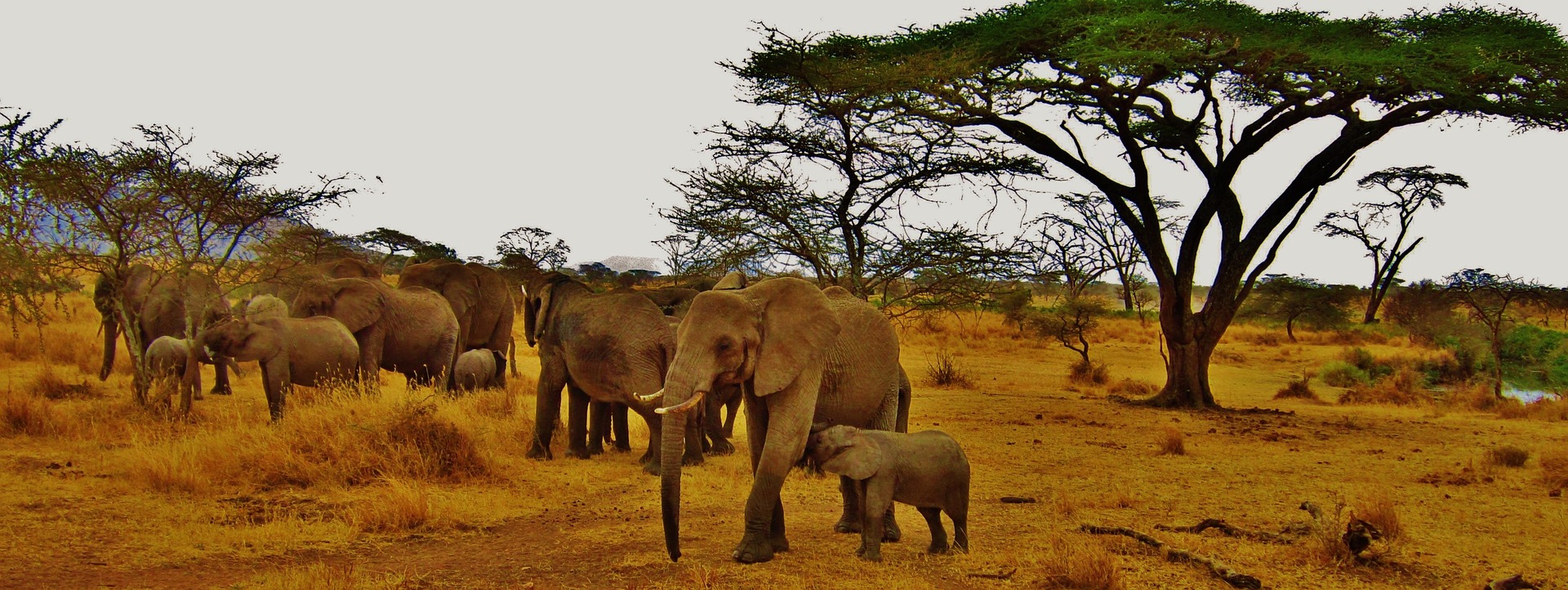
Large herds, especially in the dry season
Throughout the northern woodland
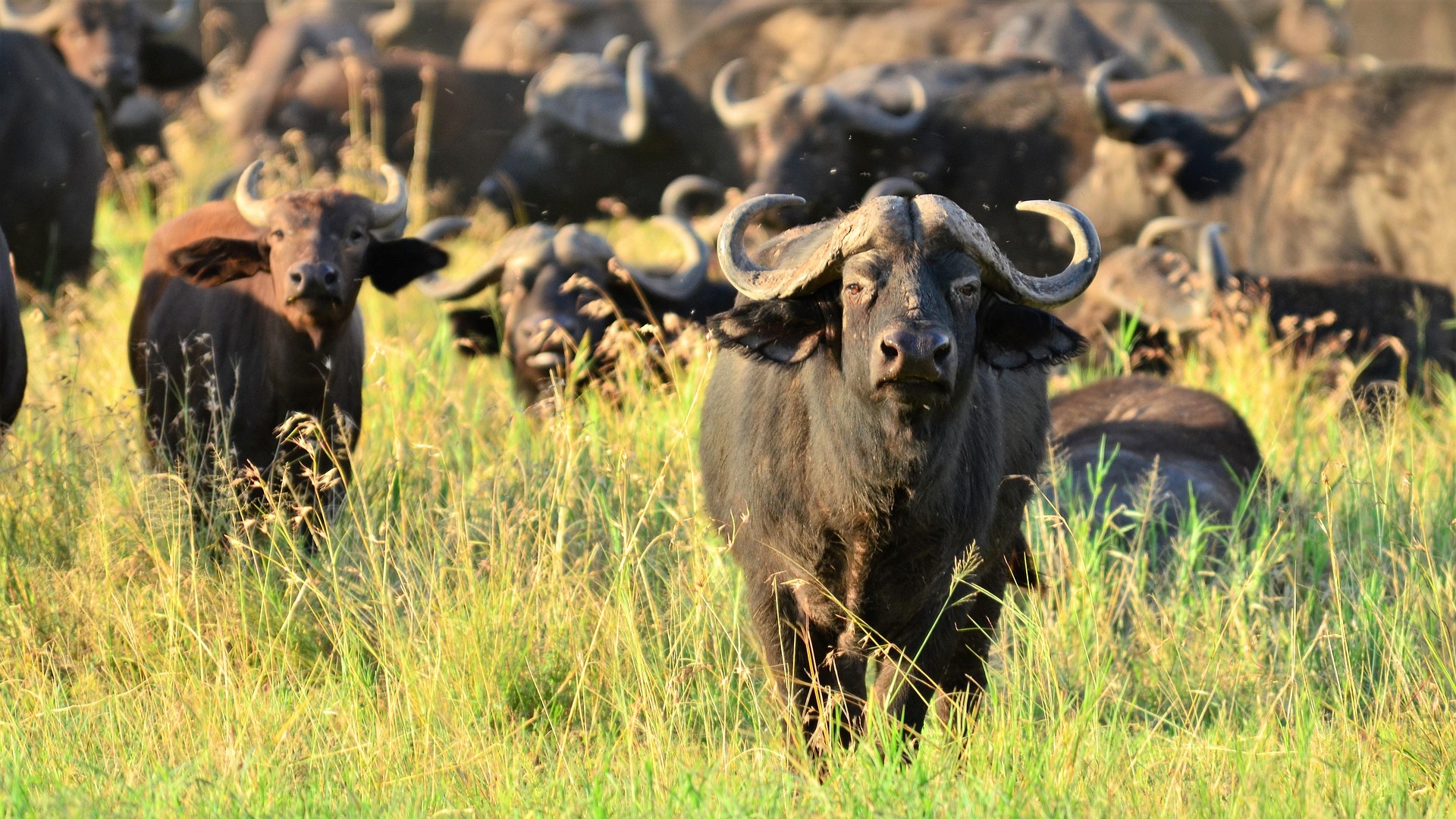
Along the river and swamps
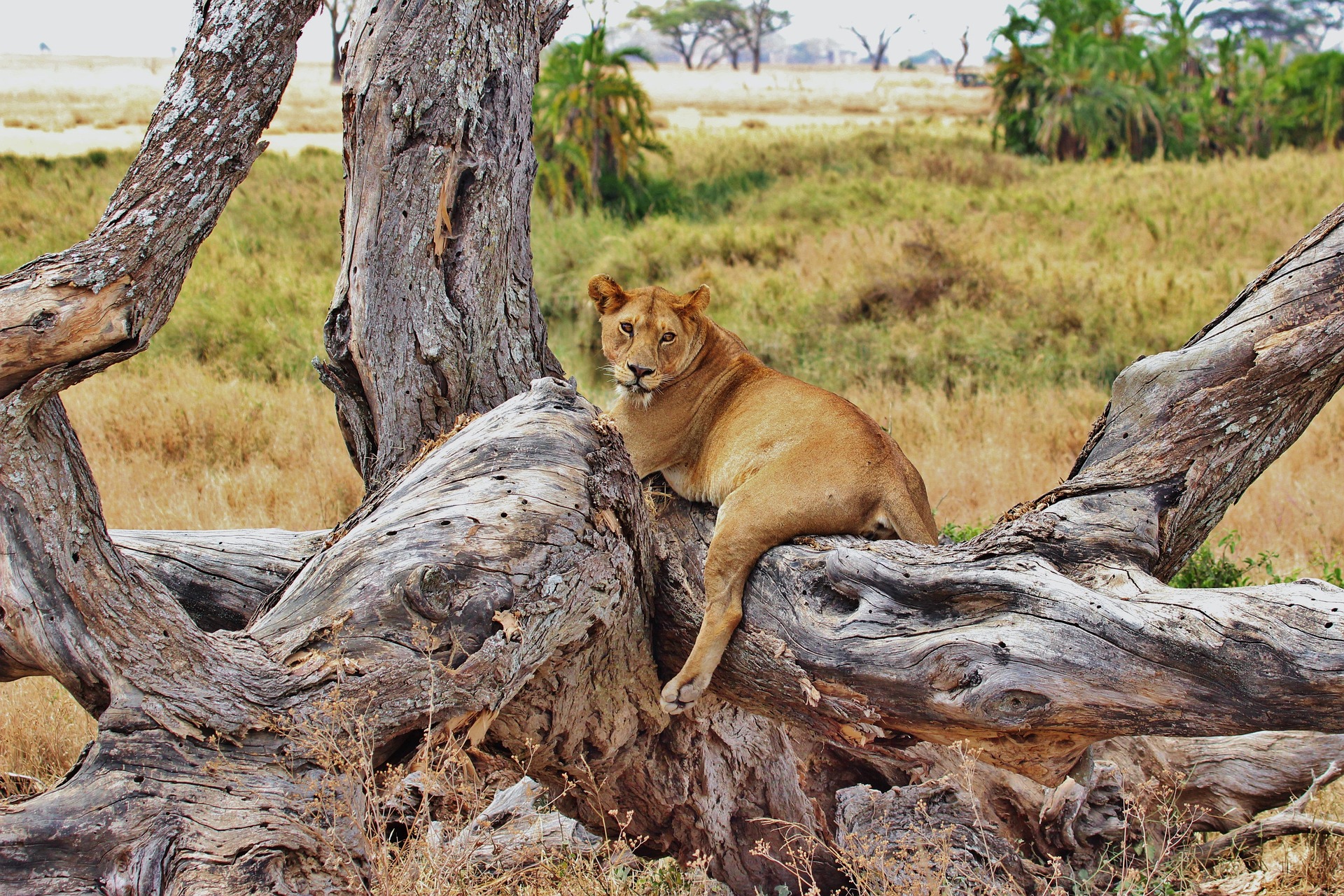
Resident; sometimes seen resting in trees
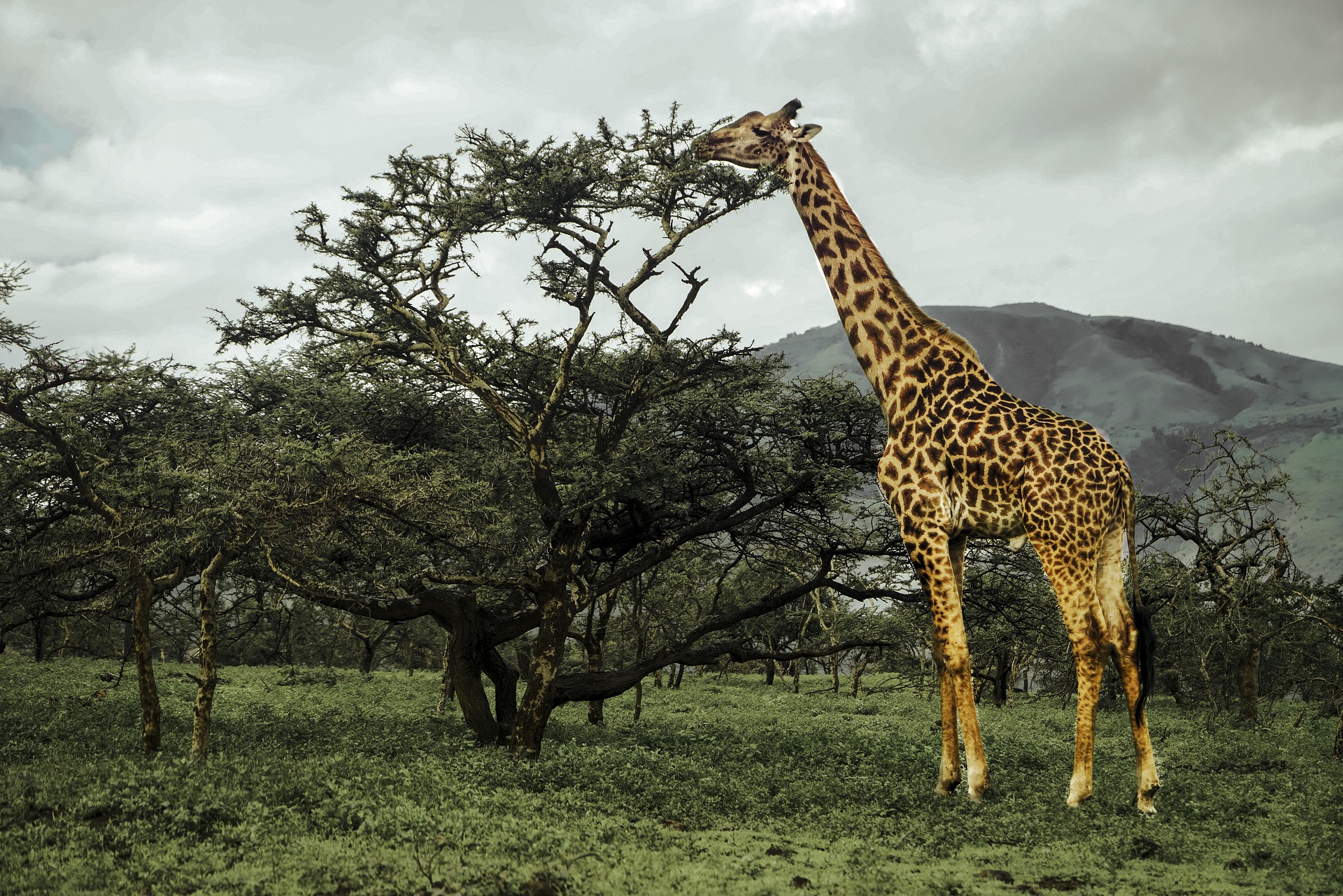
Woodland throughout the park
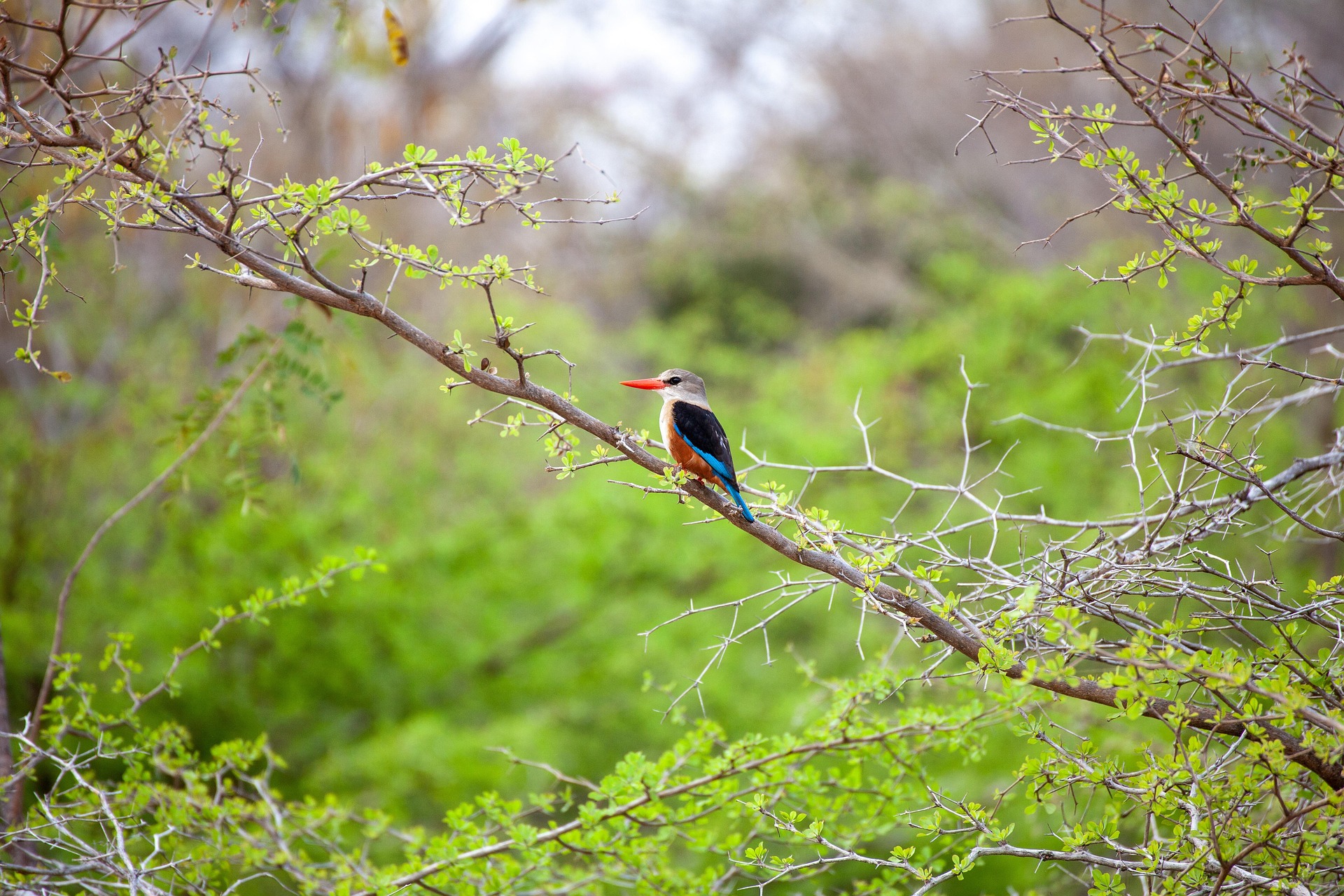
A very long list, best in the wet months
Tarangire
One full day covers the river area well, and it is close enough to Arusha to start straight after the climb and a rest night. Two days lets you reach the quieter parts of the park.
June to October, when the animals gather along the Tarangire River. In the wet months it is green and beautiful, but many animals move out of the park.
Yes. It feels quite different — baobabs, woodland and elephants rather than open plains — and it is far less busy.
Yes. Tarangire and the crater together make the two-day safari we think is the minimum worth doing after a climb.
In some wooded areas, yes, particularly in the warmer months. Neutral-coloured clothing helps; dark blue and black attract them.