
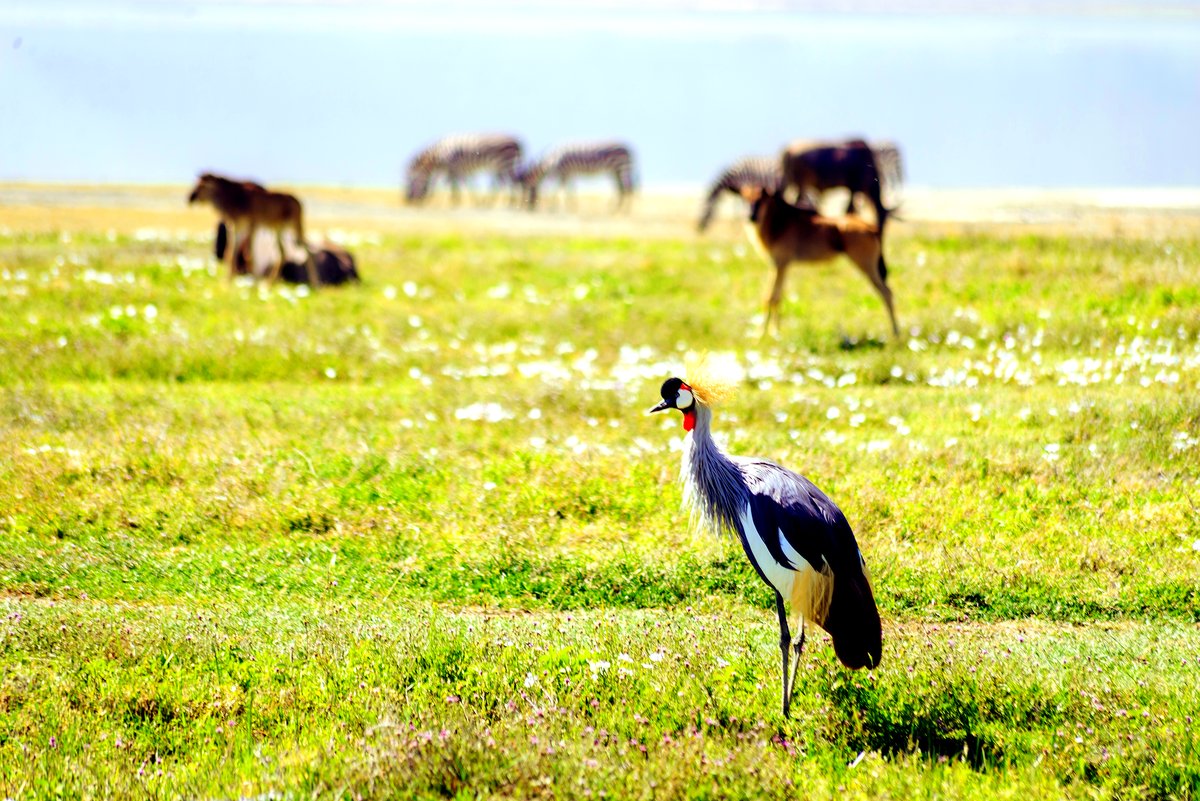
Serengeti
Vast, and the reason most people come. It needs four days at least to be more than a long drive — but it is the one that stays with you.
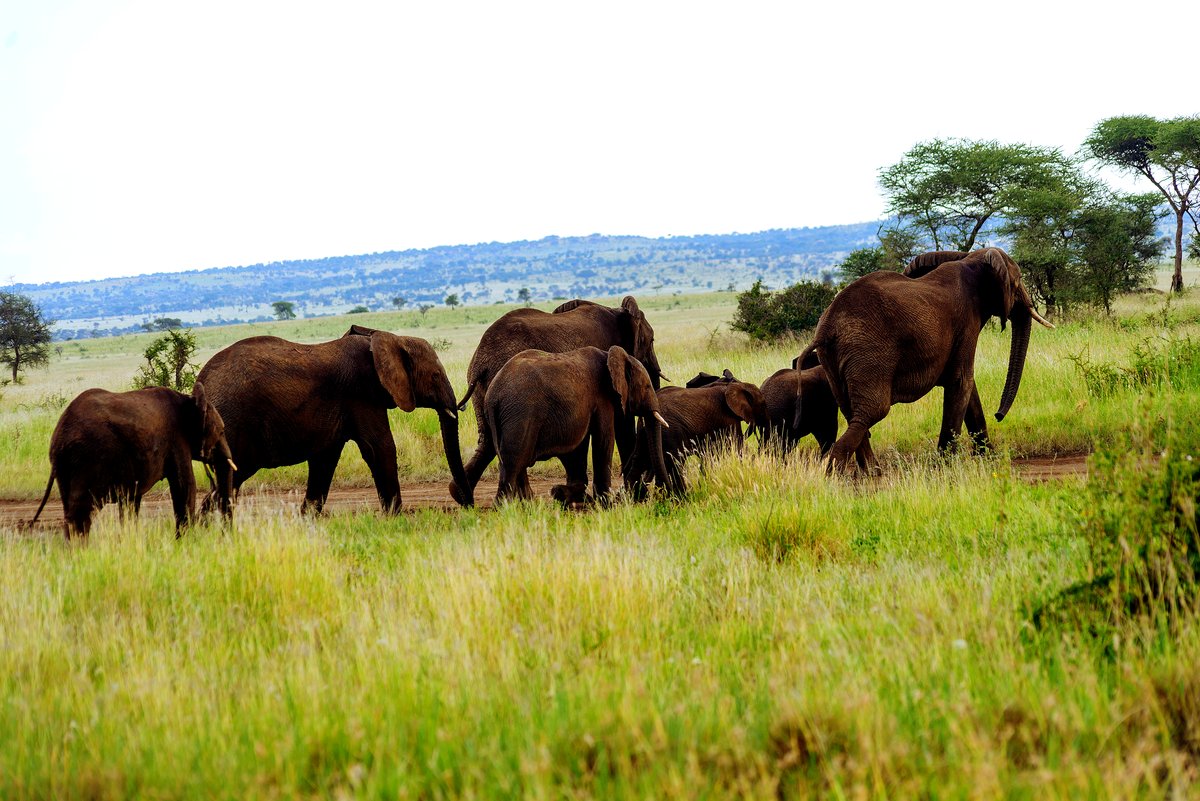
Northern Tanzania
The Serengeti, the Ngorongoro Crater and Tarangire — all within reach of Arusha, where most climbs begin and end.
You have already done the hard part: getting to northern Tanzania. The parks are the short part of the journey.
The northern circuit parks sit on the same side of Tanzania as Kilimanjaro. Most climbers fly halfway around the world, summit, and go straight home without seeing any of it.
After a week of walking, several days in a vehicle with somebody else driving is close to ideal recovery — and you are already in the country.
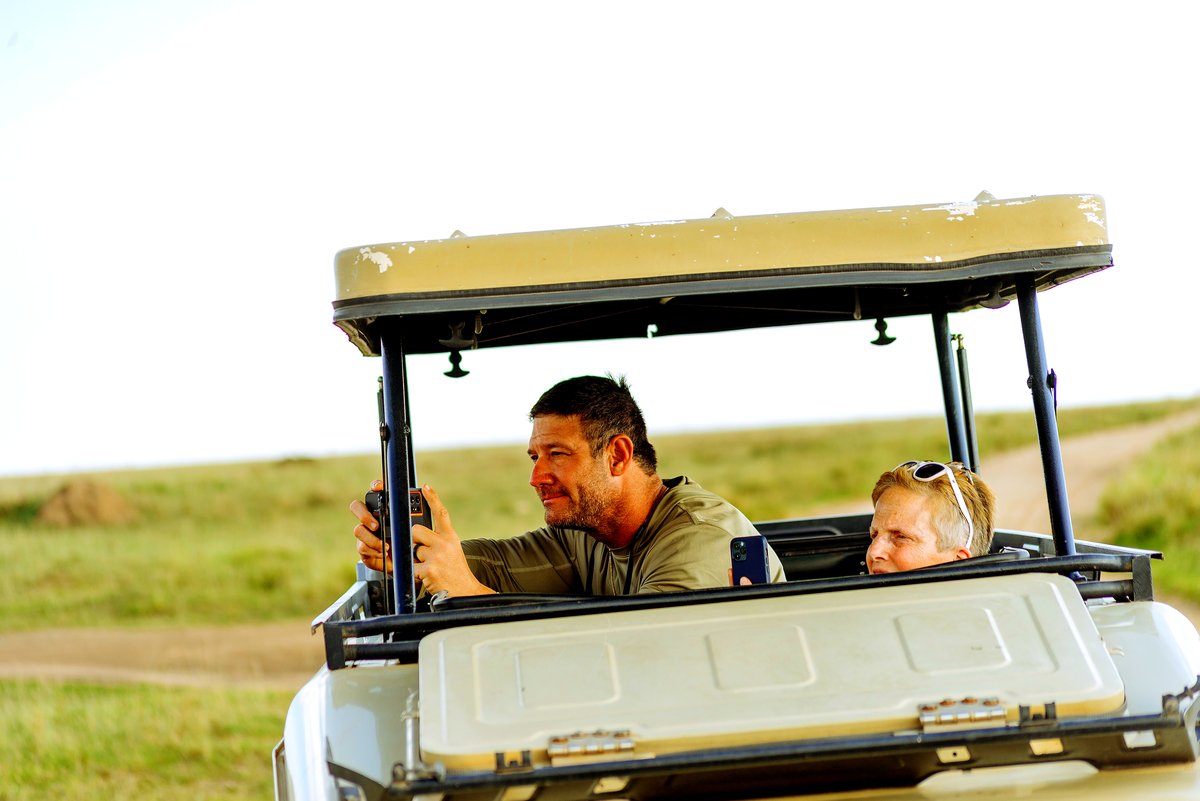
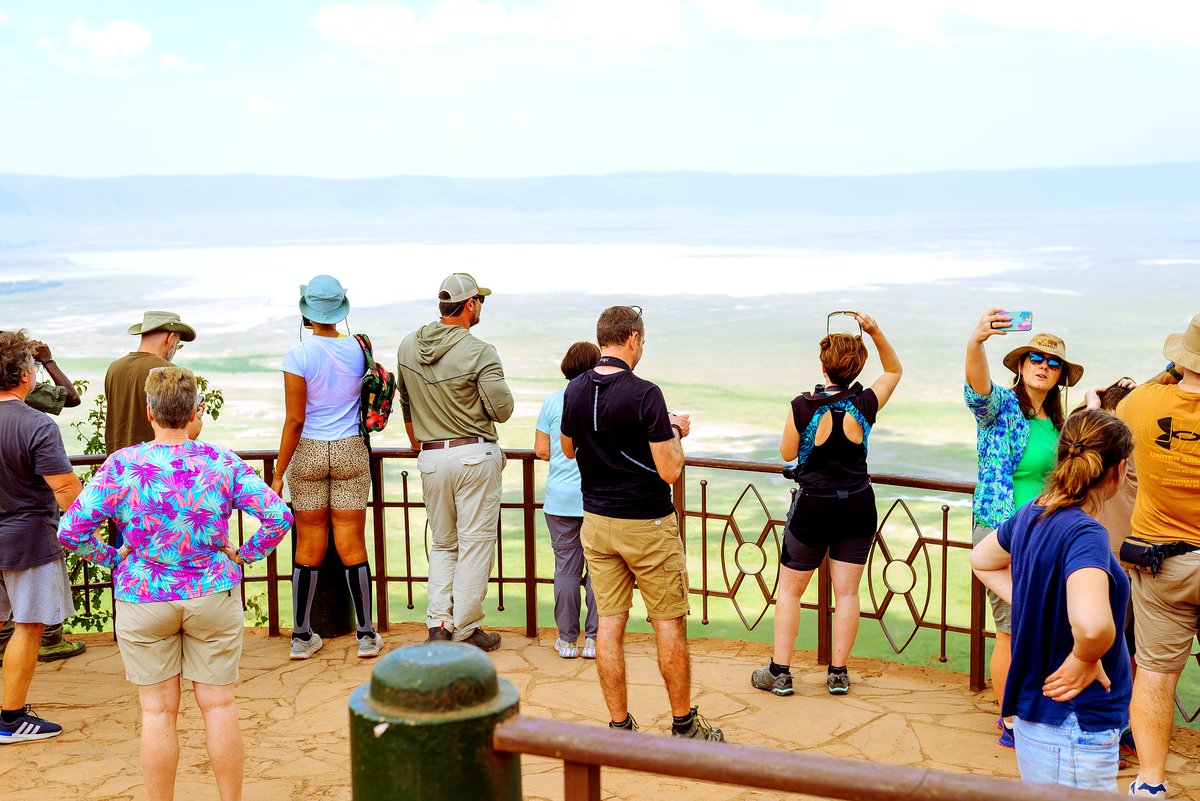
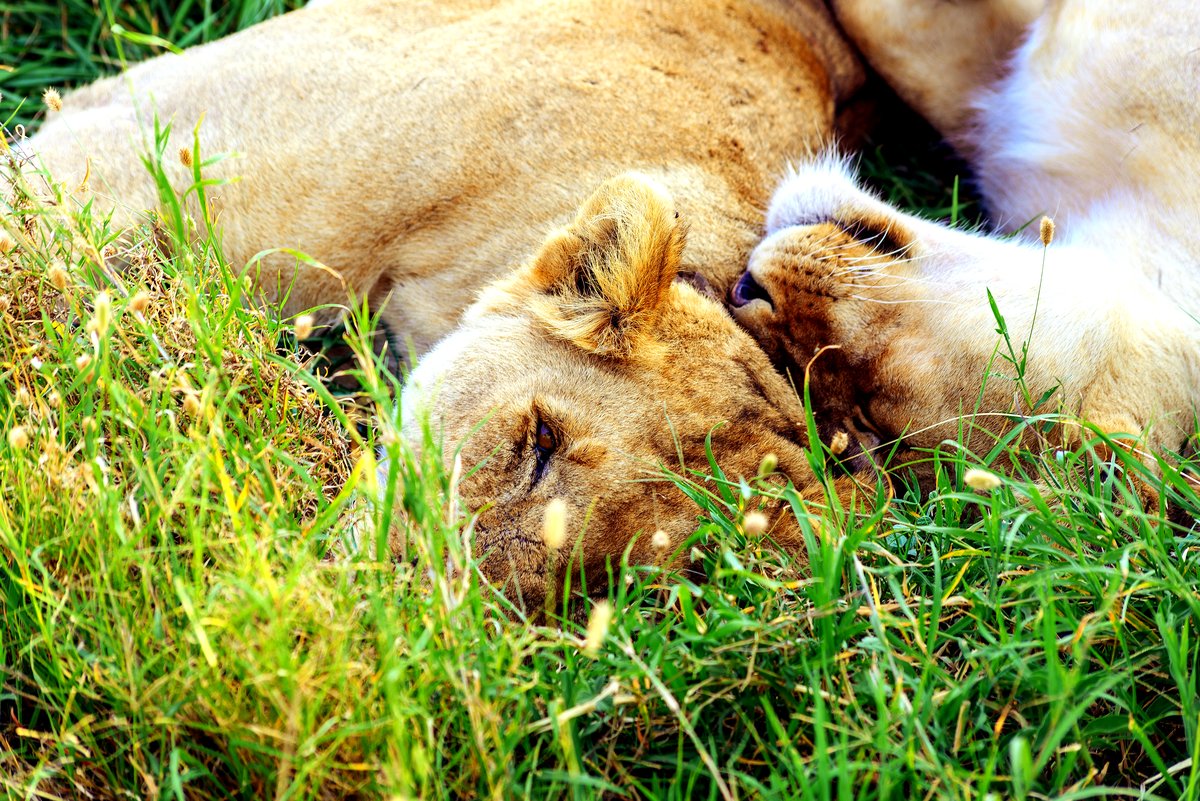
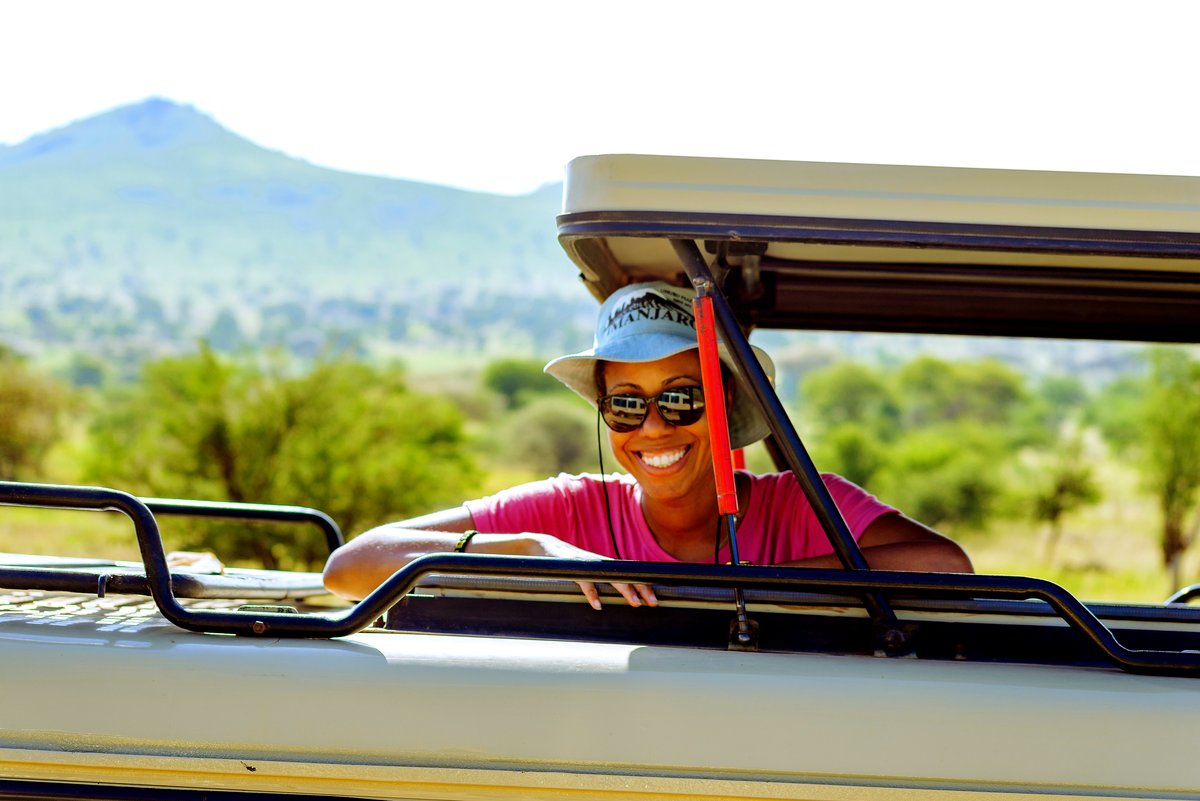
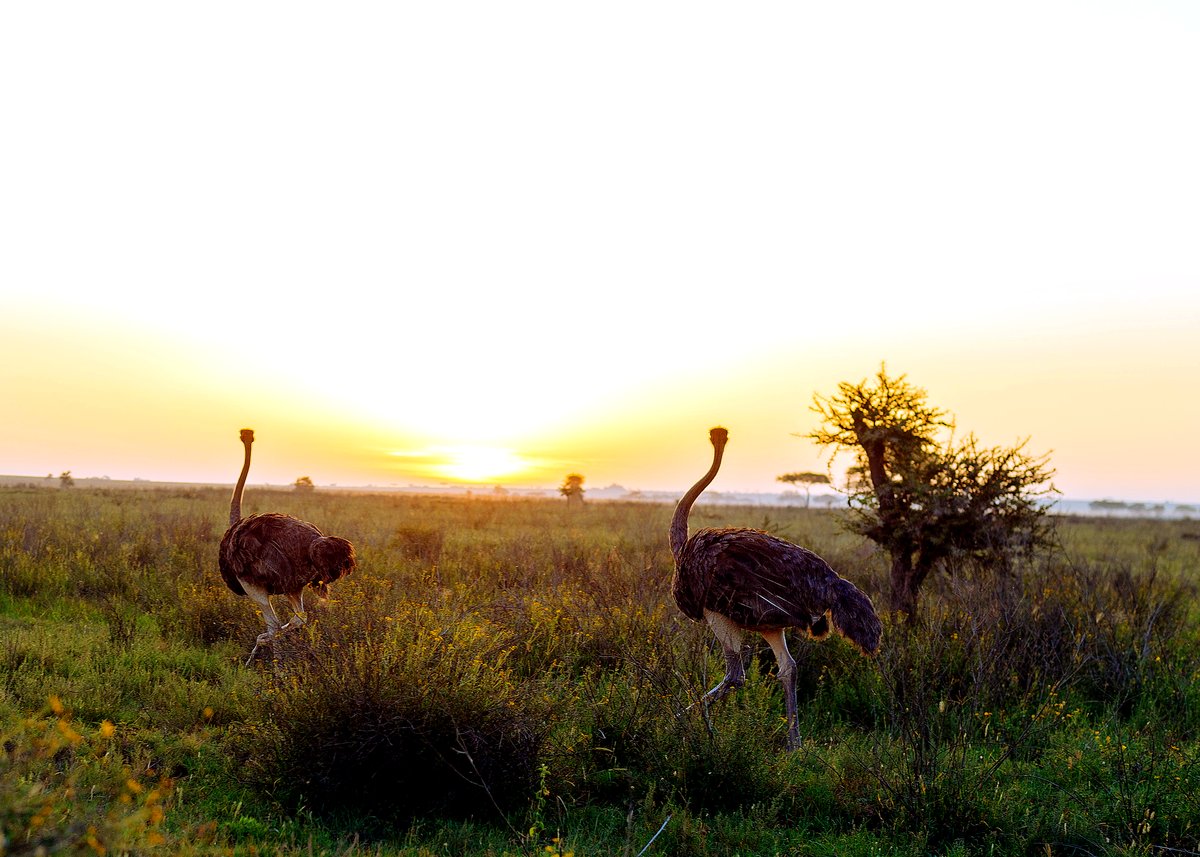
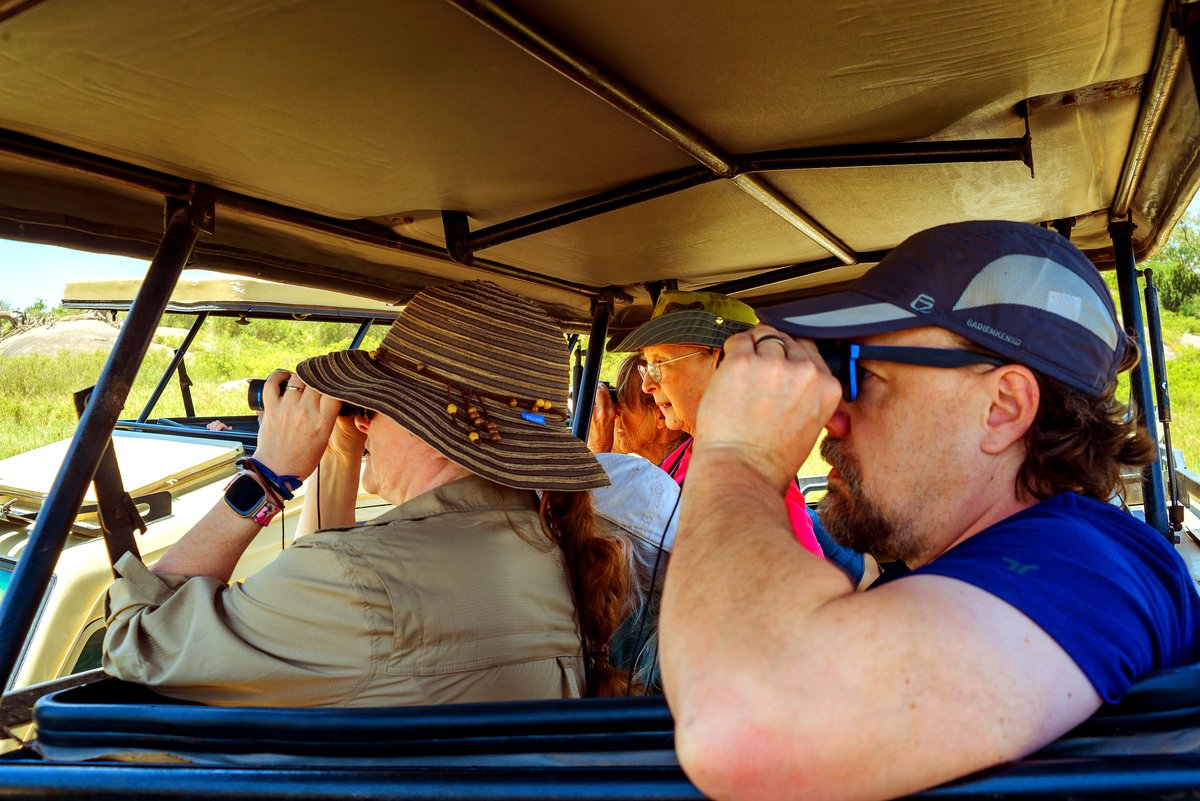
The northern parks are on the same side of Tanzania as Kilimanjaro, within reach of Arusha. You have already made the long journey; this is the short one.
After a week of walking and one very long night, several days in a vehicle with somebody else driving is close to ideal — and you still see everything.
Park fees are charged per person, per day, exactly as on the mountain. And if the migration matters to you, it decides when you climb — so decide early.
Trip lengths
Every extra day buys less driving and more time in one place. These are the lengths that make sense after a climb.
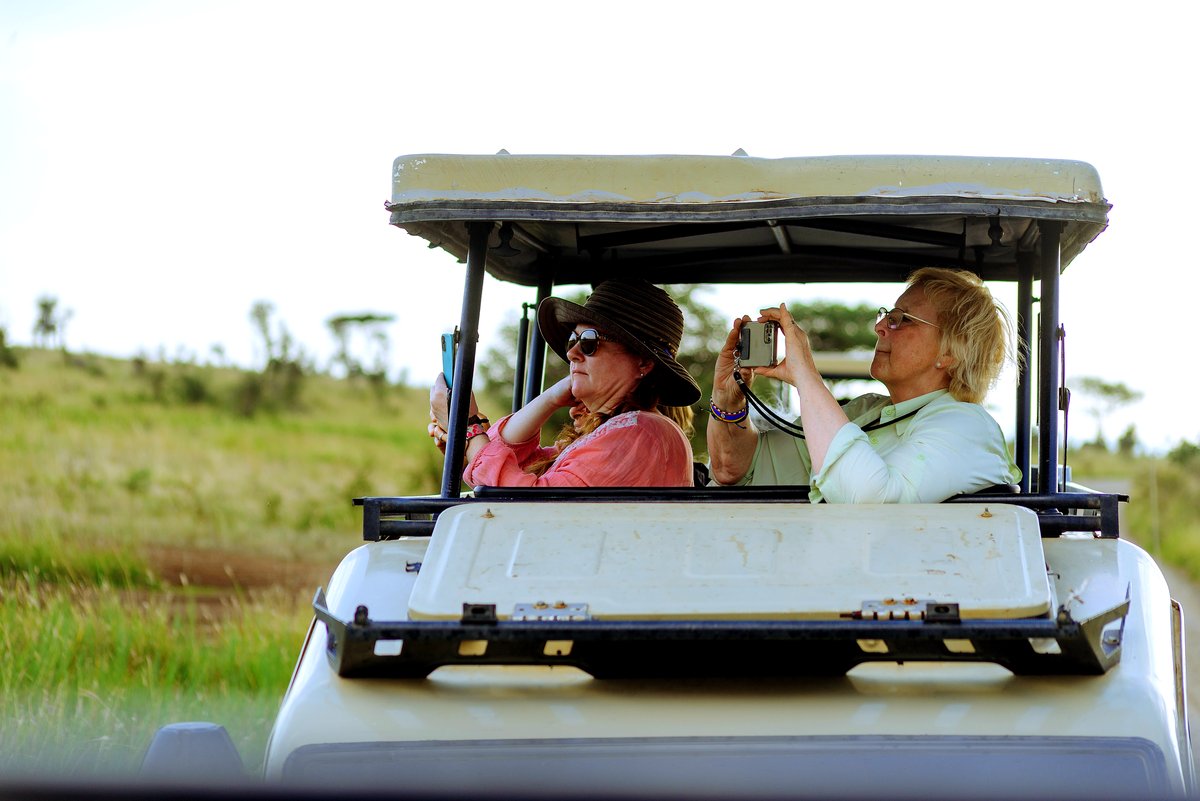
The minimum worth doing
Tarangire and the Ngorongoro Crater
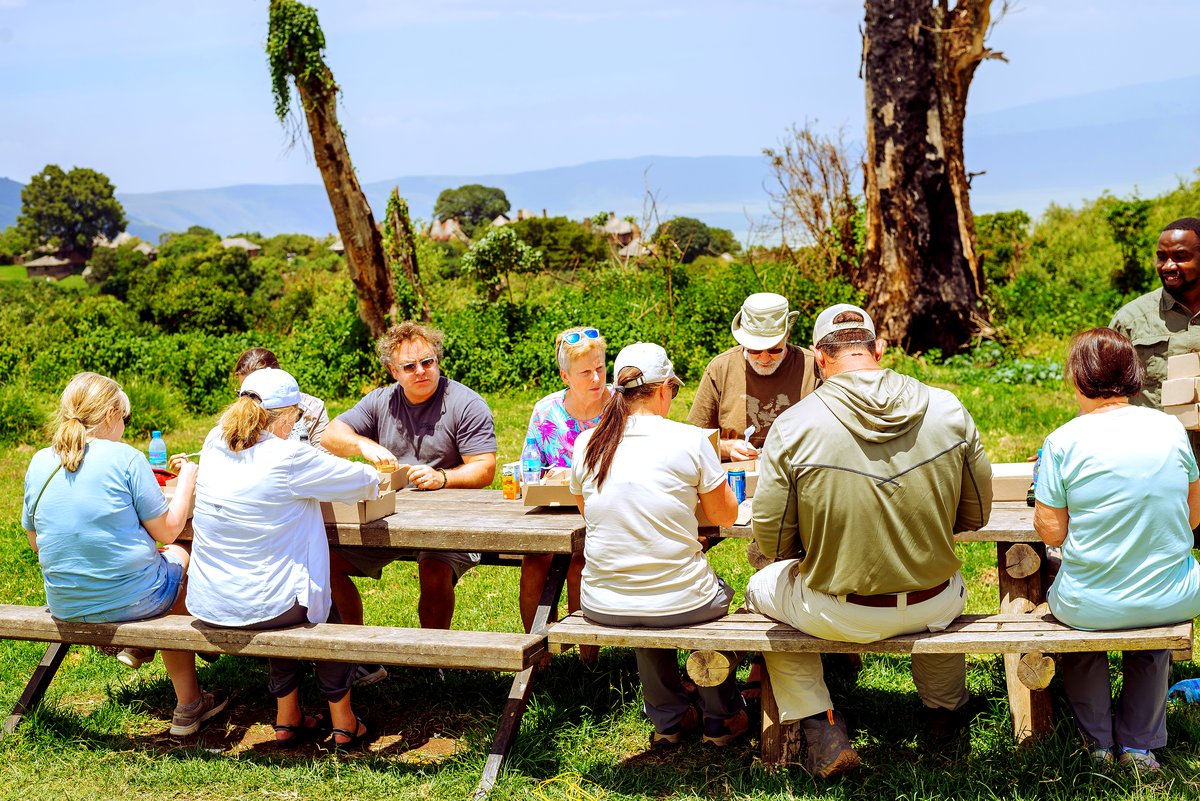
Less driving each day
Adds Lake Manyara, or more time in the crater
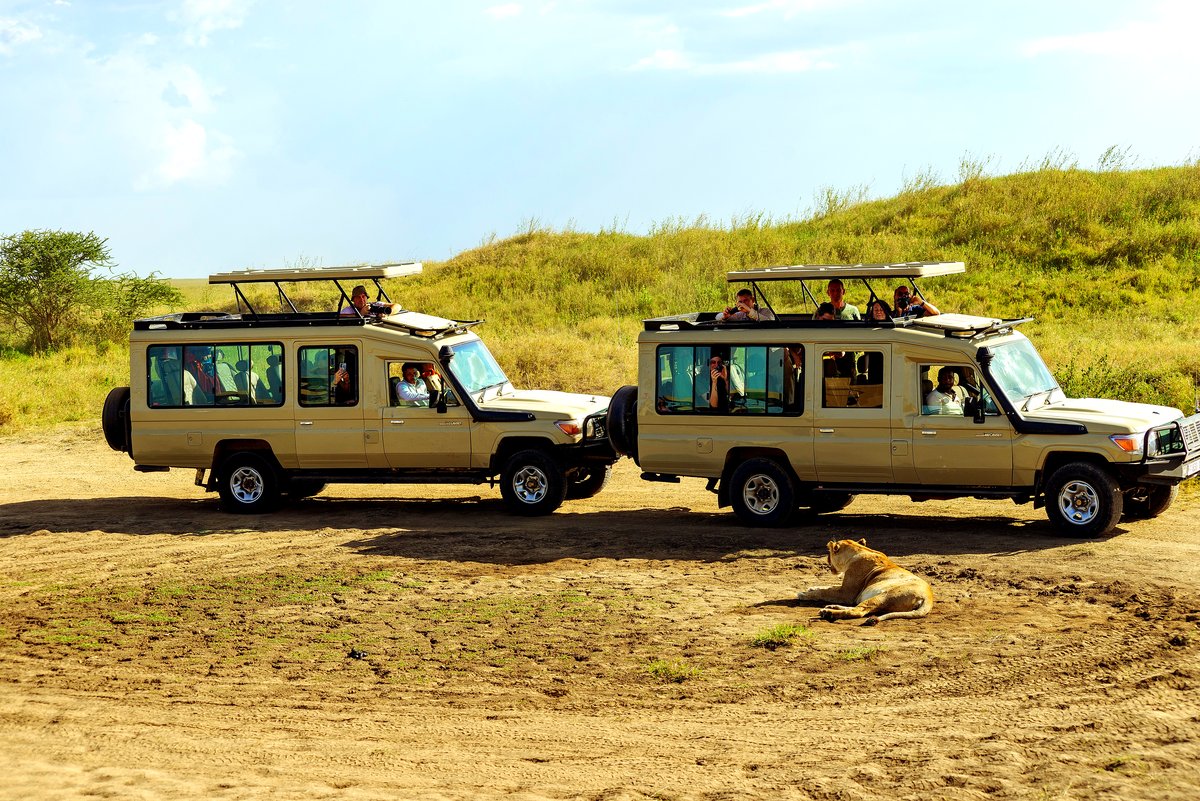
The first length at which the Serengeti works
Reaches the Serengeti
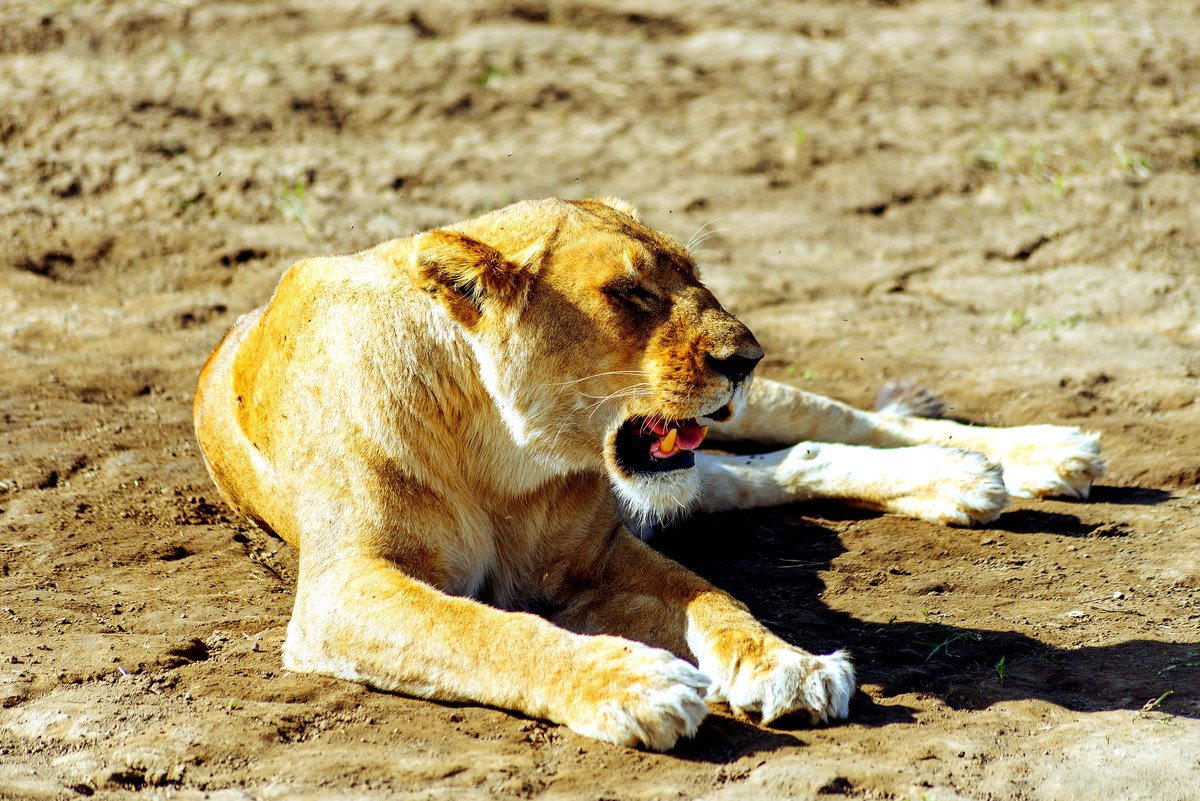
Migration timing or photography
The Serengeti properly, with time in one area
Places to visit
Four parks on the northern circuit, all within reach of Arusha — the same town most climbs start from.
Vast, and the reason most people come. It needs four days at least to be more than a long drive — but it is the one that stays with you.
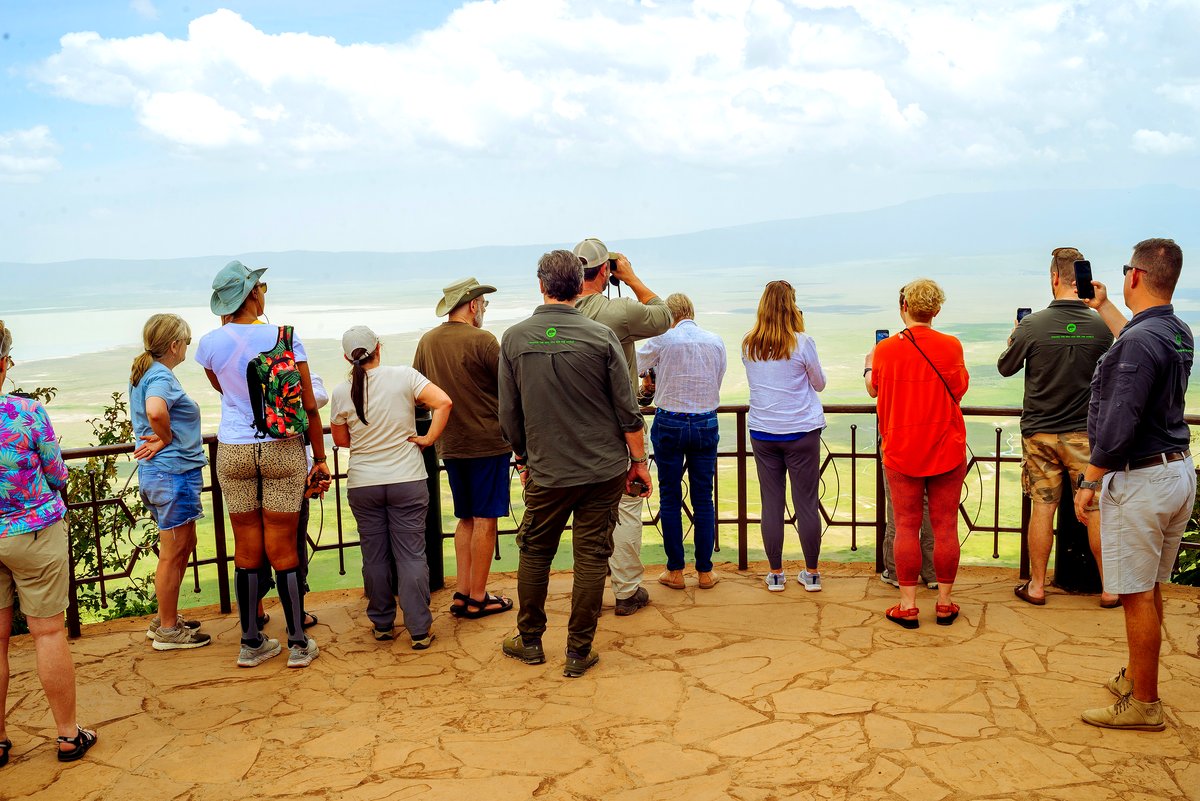
A collapsed caldera about twenty kilometres across, with animals living on the crater floor all year. A great deal to see in a single day.
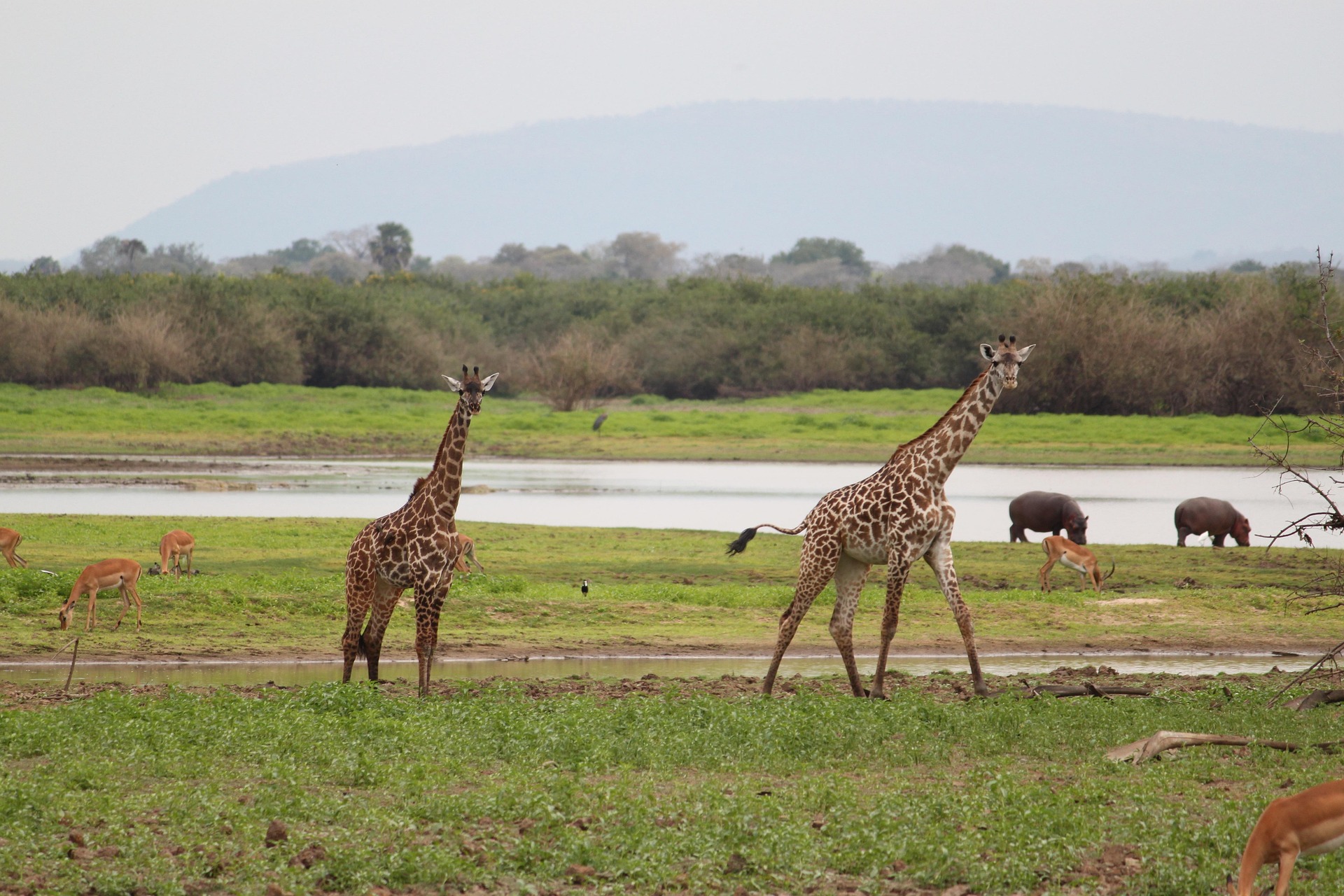
A groundwater forest, a soda lake with flamingos when the water suits, and good birdlife. Usually added as a half day.
Baobabs and big elephant herds, with far fewer vehicles. Often the first stop, and often the one people enjoyed most.
When to go
The dry months overlap with the best climbing windows, which is the other reason a safari fits so neatly after the mountain. The rains shift a little every year, so treat this as a guide.
January
Usually a drier break between the rains. The herds are typically on the southern Serengeti plains, where calving tends to begin.
February
Often the peak of calving in the southern Serengeti, which brings predators with it. Warm, green and generally good for game.
March
The long rains usually start during the month. Fewer vehicles, lush scenery, and some tracks that become harder going.
April
Typically the wettest month. Some camps close and roads can be difficult. Quiet, green, and a gamble on the weather.
May
The rains usually ease towards the end of the month and the herds start moving north-west.
June
The long dry season begins. Grass shortens and animals gather near water, which makes them easier to find.
July
Dry and cool. The herds are usually moving through the western and northern Serengeti. A busy month in the parks.
August
Dry, clear and busy. In the far north of the Serengeti the herds are often crossing rivers.
September
Still dry, often very good for game viewing, and a little quieter than August.
October
The end of the long dry season. Dusty, warm, and animals concentrated around the remaining water.
November
The short rains usually arrive as afternoon showers. The herds tend to start moving back south.
December
Showers that rarely last all day, green landscapes, and the herds usually returning to the southern plains.
Wildlife
No guide can promise a sighting. These are the animals and landscapes each park is best known for.
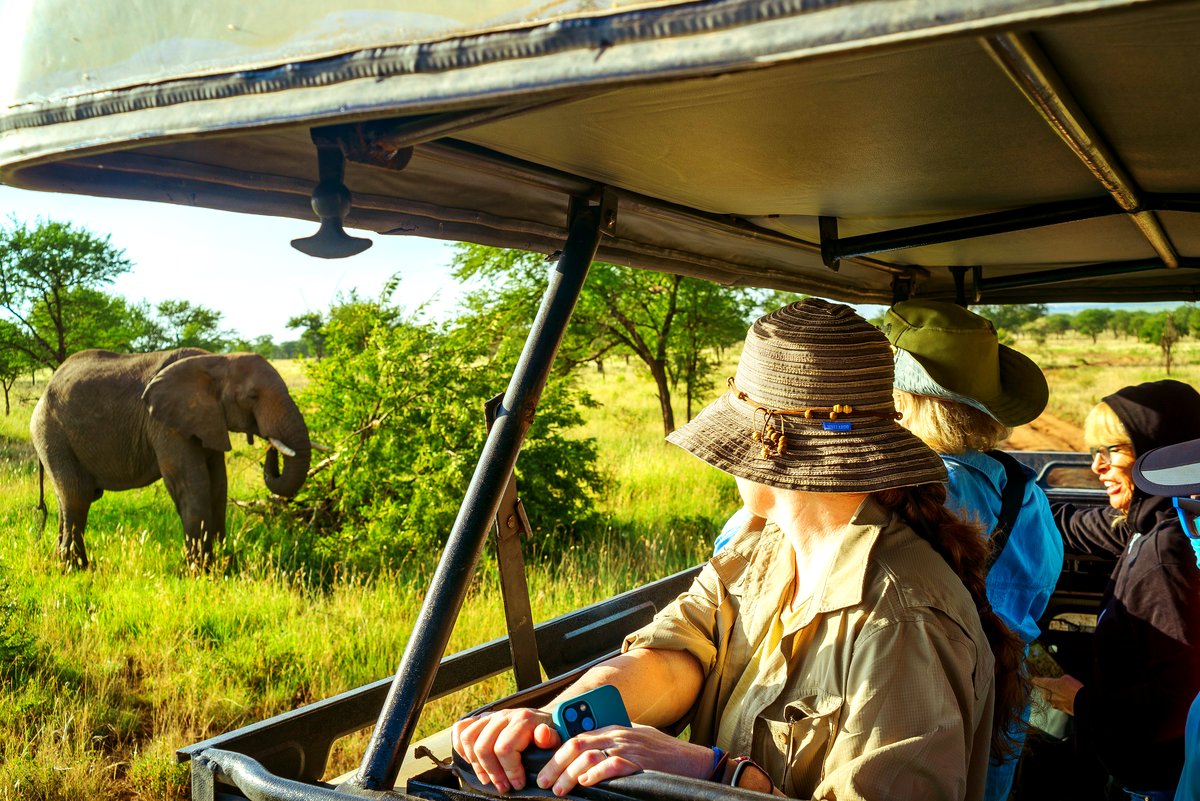
Tarangire, in big herds
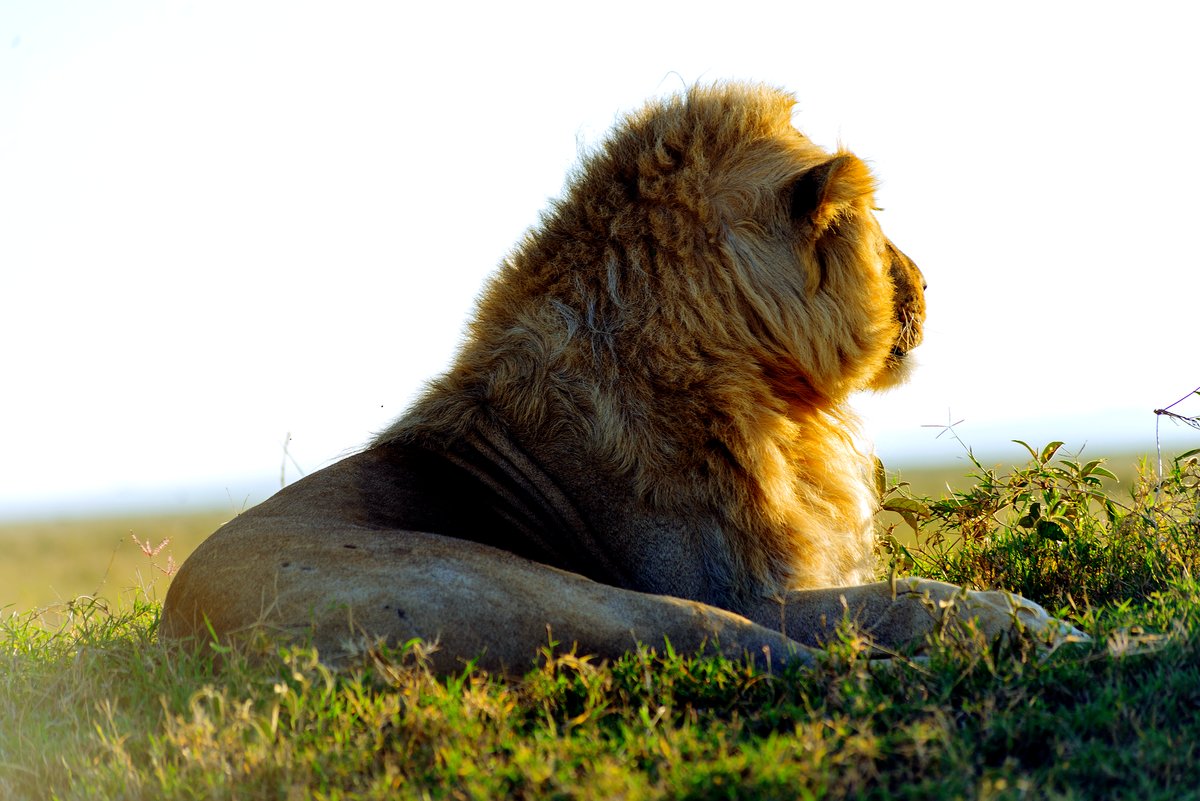
Serengeti and the crater
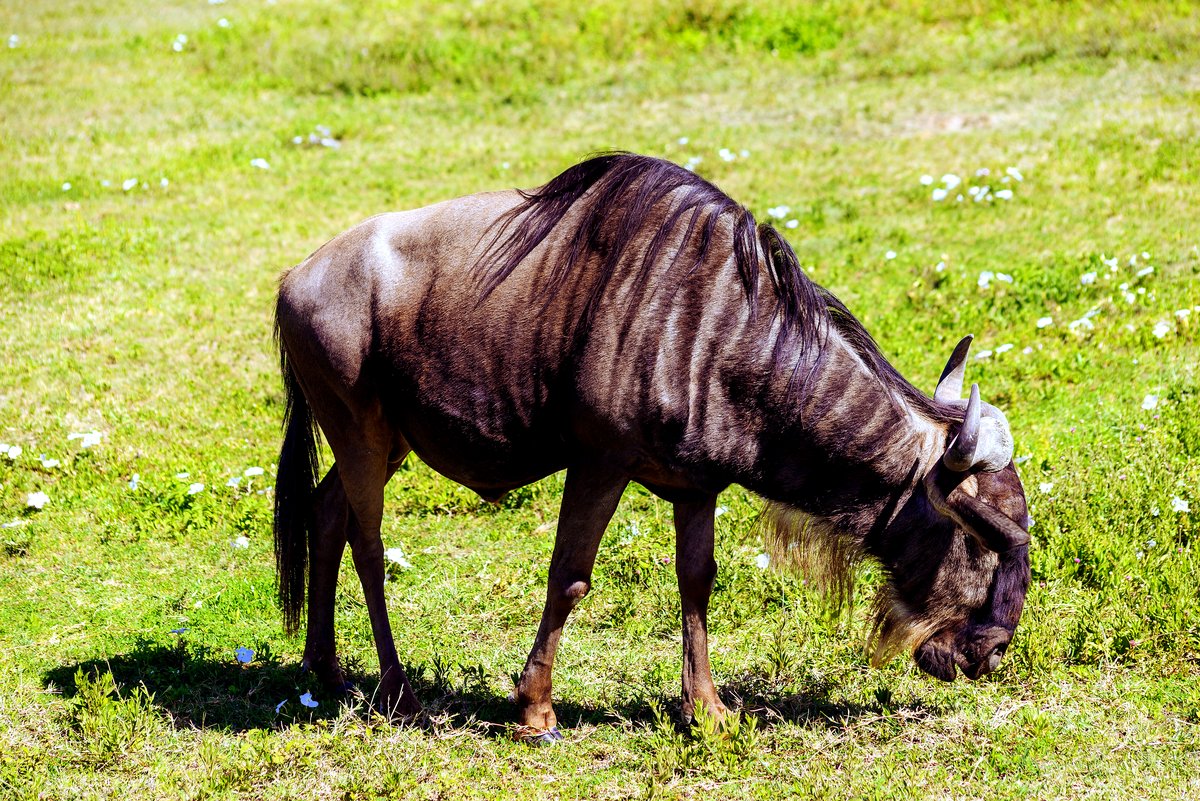
Serengeti, moving with the rains
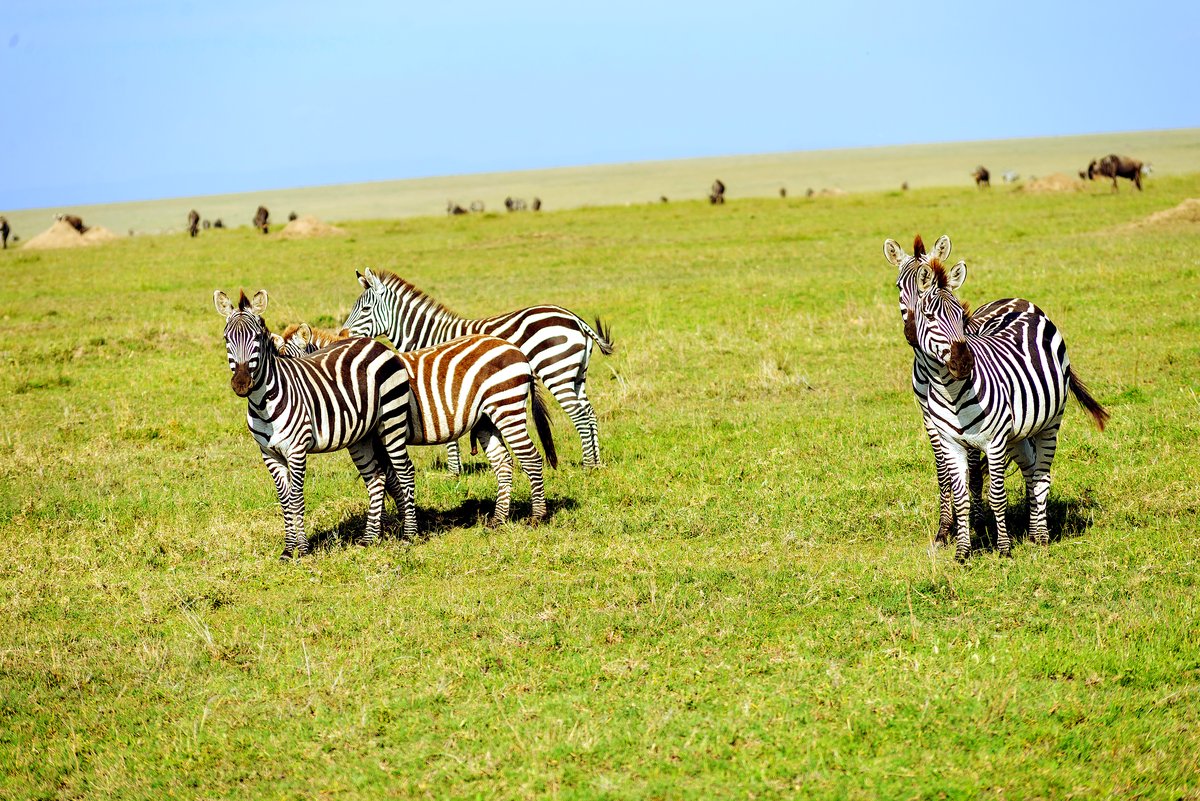
Serengeti, alongside the herds
Lake Manyara, when the water suits
Tarangire’s landscape
Planning guides
Tanzania safari
Two days covers Tarangire and the Ngorongoro Crater and is the minimum worth doing. Four days is the first length at which the Serengeti is more than a long drive. Five or more lets you stay in one area and time it around the migration.
After, for two reasons. A safari is mostly sitting down, which is what your body wants after the mountain. And climbers who go straight from a comfortable lodge to the high camps generally find the adjustment harder. If you are adding Mount Meru for acclimatisation, Meru comes first and the safari still comes last.
If you can. One night is enough, and you will value it.
Almost nothing new. Light clothing, a hat and sunscreen — all of which you already have for the lower slopes of the mountain.
There is no single moment. The migration is a continuous movement, and where the herds are depends on the month and on that year’s rains. Use the month-by-month guide above as a starting point, and tell us what you want to see so we can plan the climb around it.
Tanzania’s national parks and the Ngorongoro Conservation Area charge per person, per day — exactly as Kilimanjaro National Park does. It is why a longer safari costs noticeably more, and why the choice of parks matters.
It is possible, but it is usually more expensive and less good than booking it with the climb, when the dates, transfers and rest day can be planned together.