
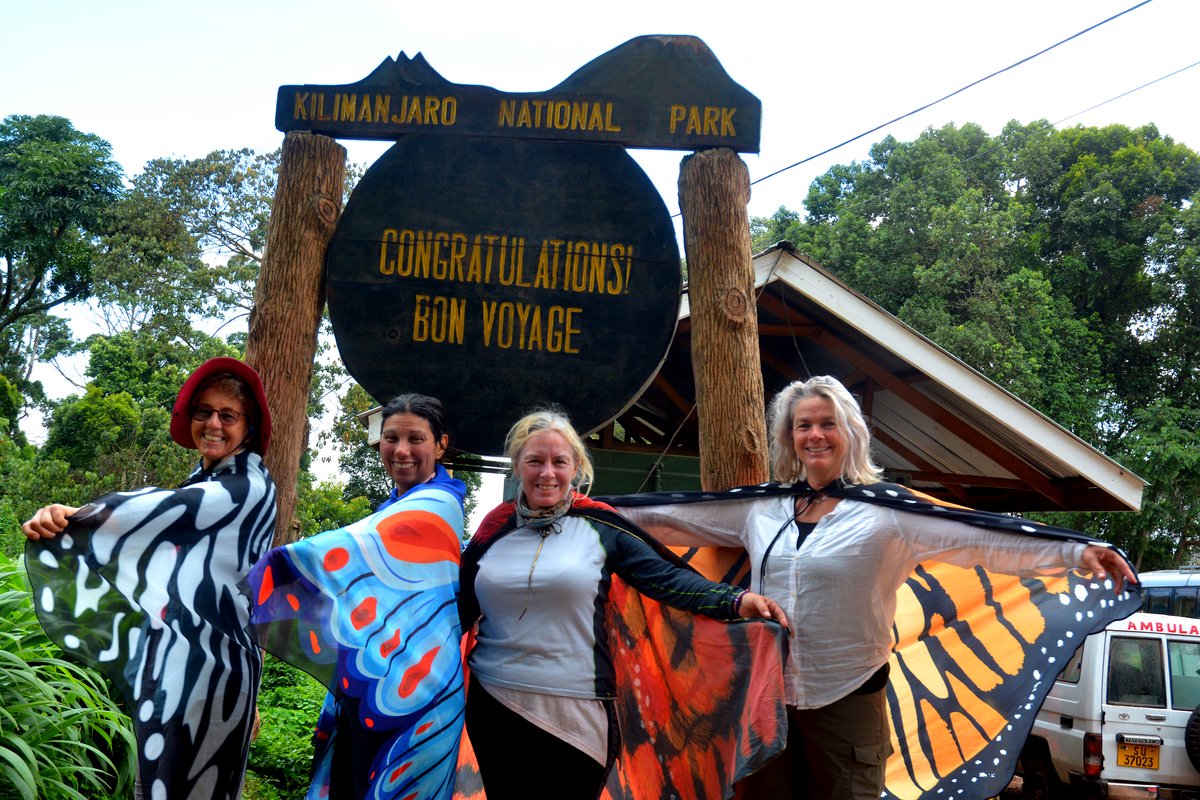
After your climb
You will be tired, filthy and elated, and you will have a country in front of you that most climbers only see from the air.
At a glance
- Final descent
- Hotel return
- Recovery
- Certificates
- Crew gratuities
- Safari or Zanzibar
The final descent can be surprisingly tiring, particularly after summit day. Continue eating, drinking and protecting knees and feet until you reach the exit gate. After park formalities, TrekUp transfers you back to Moshi for your post-climb hotel night. A shower, meal and sleep are usually the priorities. Mild muscle soreness is common after several trekking days, but persistent or concerning symptoms should be medically assessed. Successful climbers receive the appropriate summit certificate through the established park process. Complete any planned crew gratuity process transparently, reorganize luggage and confirm your onward arrangements. Many climbers continue to a Tanzania safari or Zanzibar; build in enough recovery time before a demanding onward schedule.
You will come off the mountain tired, filthy and elated, with a country in front of you that most climbers only see from the air.
This page is about the two or three days immediately after, and about what is worth doing with the week if you have it.
The first 24 hours
You reach the gate in the early afternoon of the last day, sign out, and are driven back to your hotel. What follows is, by universal consensus, the best shower of your life.
Practical points for that first day:
- Do not book an international flight for that evening. Descent days run late and you will be in no state for an airport.
- Eat and drink properly. You are probably dehydrated and calorie-deficient after a week of poor appetite.
- Expect to sleep enormously. Ten or twelve hours is normal.
- Expect your feet and knees to hurt more on day two than day one.
How long recovery takes
Most people feel broadly normal within two or three days and fully recovered within a week. Common and unremarkable in the days afterwards: swollen ankles, sore knees, peeling lips, a persistent dry cough from the cold dry air, and disrupted sleep.
Anything that is getting worse rather than better — particularly breathlessness or a productive cough — should be seen by a doctor.
Why a safari makes sense afterwards
The northern circuit parks are on the same side of Tanzania as Kilimanjaro. The Serengeti, the Ngorongoro Crater and Tarangire are all within reach of Arusha, an hour or so from where your climb ends.
After a week of walking, several days in a vehicle with somebody else driving is close to ideal recovery. You are already in the country, already acclimatised to the time zone, and the marginal cost of adding a few days is far lower than flying back for them later.
Typical additions:
- Two days — Tarangire and Ngorongoro. The minimum that is worth doing.
- Three days — adds Lake Manyara or more time in the crater.
- Four to five days — reaches the Serengeti properly, which needs the time.
Zanzibar
A short flight from Kilimanjaro International, and the other common way to end the trip. Sea level, warm water, and nothing whatsoever to climb.
Mount Meru, the other way round
Meru is more often climbed before Kilimanjaro as acclimatisation. Doing it afterwards is possible but most people have had enough of walking uphill by then.
Practical loose ends
- Certificates. Signed at the gate. Keep it somewhere safe; people frame them.
- Photographs from the crew. Ask — guides often have shots you do not.
- Leave a review. Whether or not you summited. Reviews from climbers who turned back are far more useful to the next person than another five-star one.
- Kit you no longer want. Donating usable gear to your crew is common and genuinely appreciated. Ask your guide what is useful rather than assuming.
Add the rest of Tanzania
Tell us how many days you have after the climb and we will put together something that suits how you will actually feel.