
1
Year round
Groundwater forest
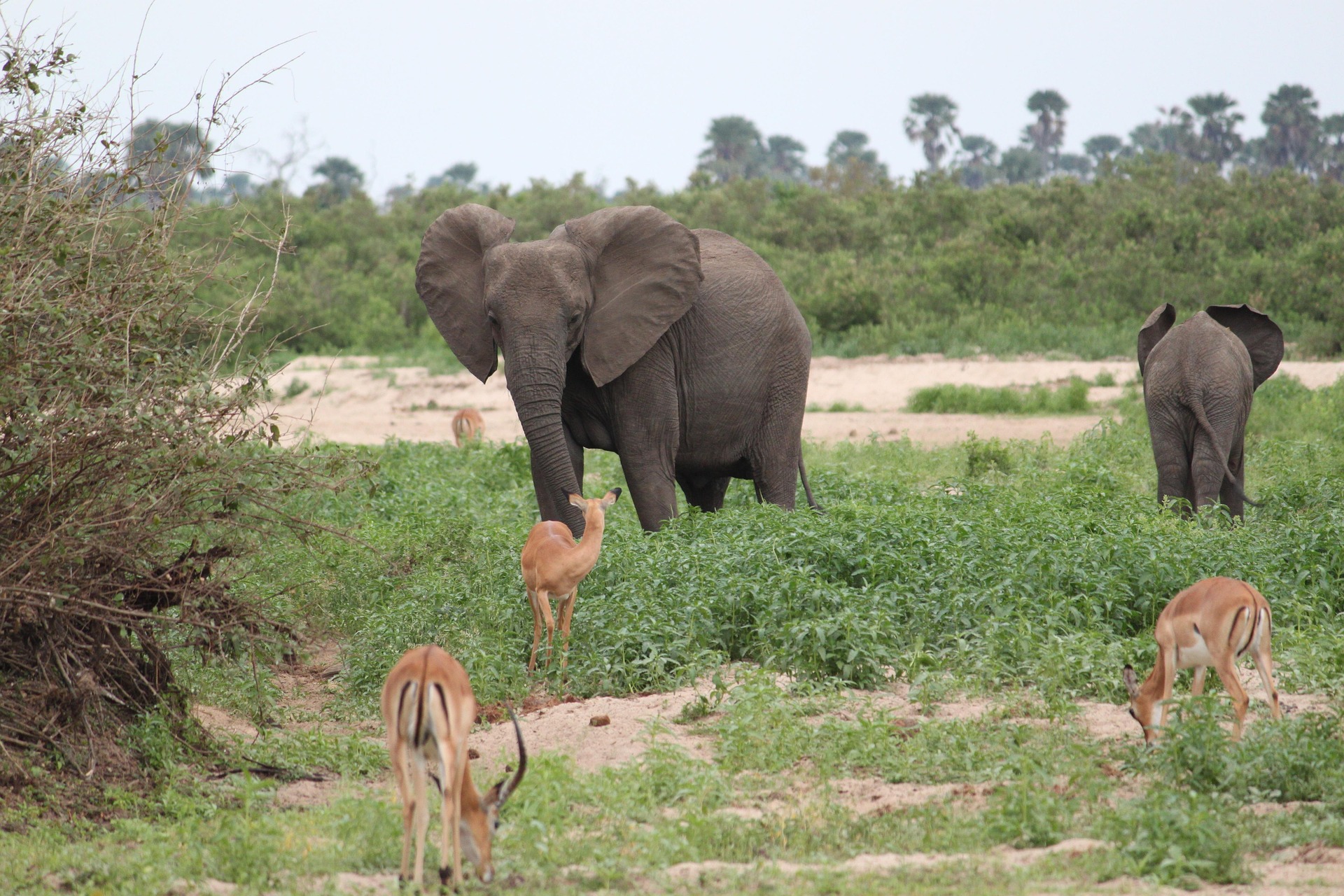
Just inside the gate: tall evergreen forest fed by springs from the escarpment, with baboons, blue monkeys and elephants.
Tanzania safari
Forest, grassland and a soda lake beneath the Rift Valley wall, on the road to the crater.
A small park beneath the Rift Valley wall, with more variety than its size suggests.
Lake Manyara packs groundwater forest, open grassland and a shallow soda lake into a narrow strip under a steep escarpment. It is an easy half day on the way to the crater.
Where to stay
The park is a single road running south between the escarpment and the water, passing through each of its habitats in turn.
Year round
Just inside the gate: tall evergreen forest fed by springs from the escarpment, with baboons, blue monkeys and elephants.
Year round
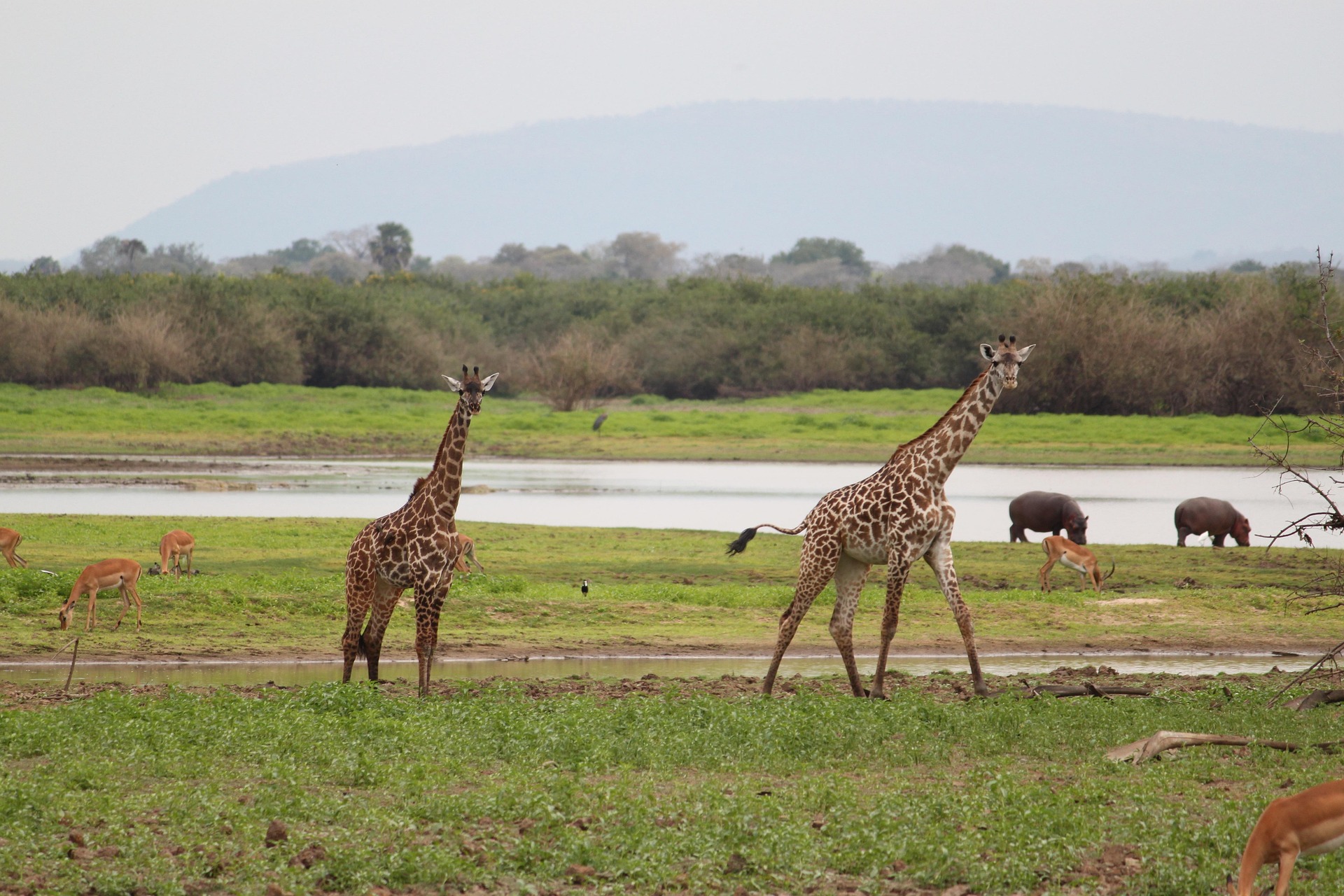
Open ground near the lake shore where grazers gather, and a hippo pool that is often a highlight of the drive.
Wet months
Shallow, alkaline water. Flamingos and pelicans gather here when the level suits, which changes from year to year.
Dry season
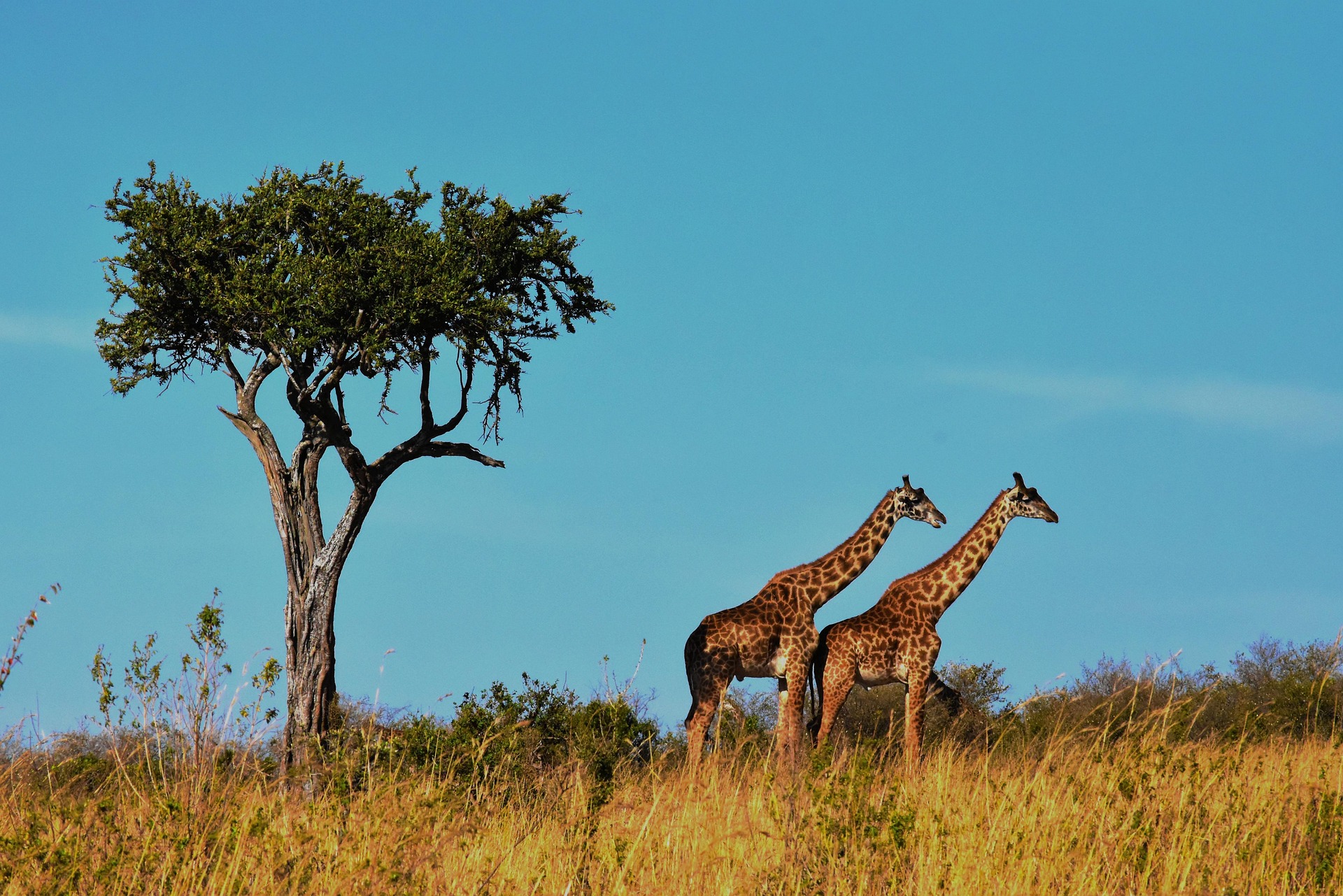
Acacia woodland and hot springs near the southern end, less visited and a good place to look for lions resting in trees.
Experiences
A half-day or full-day drive along the park road, usually on the way from Arusha to the Ngorongoro Crater.
The mix of forest, grassland and lake makes it one of the best short birding stops on the northern circuit.
A suspended walkway runs through the forest canopy near the gate, at extra cost. Ask us if you would like it included.
Variety in a small space: forest, grassland, lake and escarpment, all within a few hours’ drive.
It sits on the road from Arusha towards the crater and the Serengeti, so it adds a lot for very little extra travel.
Tree-climbing lions and flamingos are what people ask about, and neither can be relied on. Come for the park as a whole.
When to go
Manyara is worth visiting all year. The dry months are easiest for game; the wet months bring birds, and flamingos come and go with the water level.
January
A drier break between the rains. Green, with good birding.
February
Warm and green. Flamingos may be present if the lake level suits.
March
The long rains usually begin; some tracks become muddy.
April
Typically the wettest month. Quiet, lush, and some roads may close.
May
The rains ease towards the end of the month.
June
Easier driving and animals easier to find as vegetation thins.
July
Dry and pleasant, and a good month for game viewing.
August
Dry and busier, often combined with a crater visit.
September
Still dry, with animals drawn towards the forest springs.
October
Warm and dusty; the lake may shrink back from the shore.
November
Afternoon showers and fresh green growth. Migrant birds arrive.
December
Green and quieter, with good birding.
Wildlife
No guide can promise a sighting. These are the animals the park is best known for.
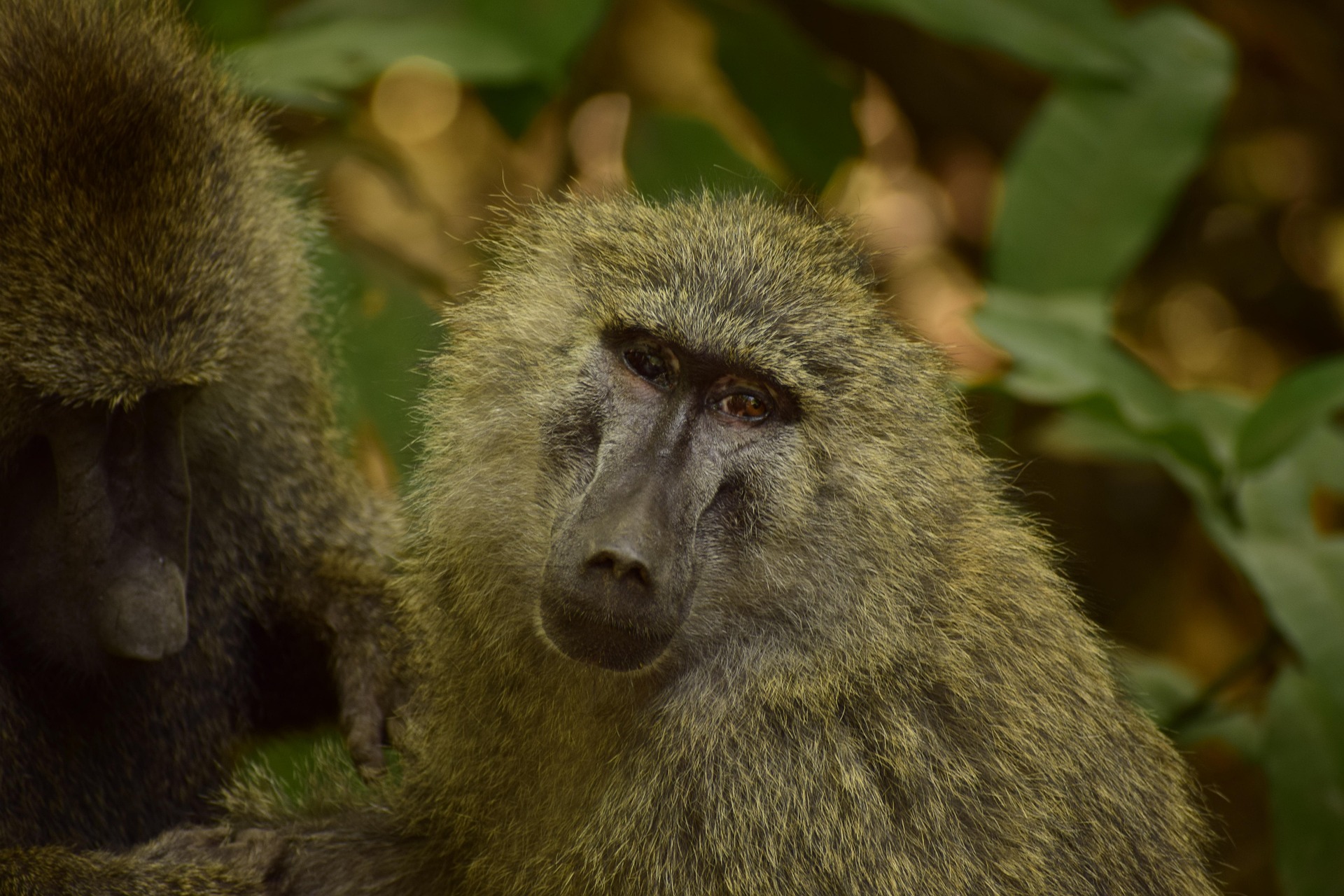
Large troops in the forest
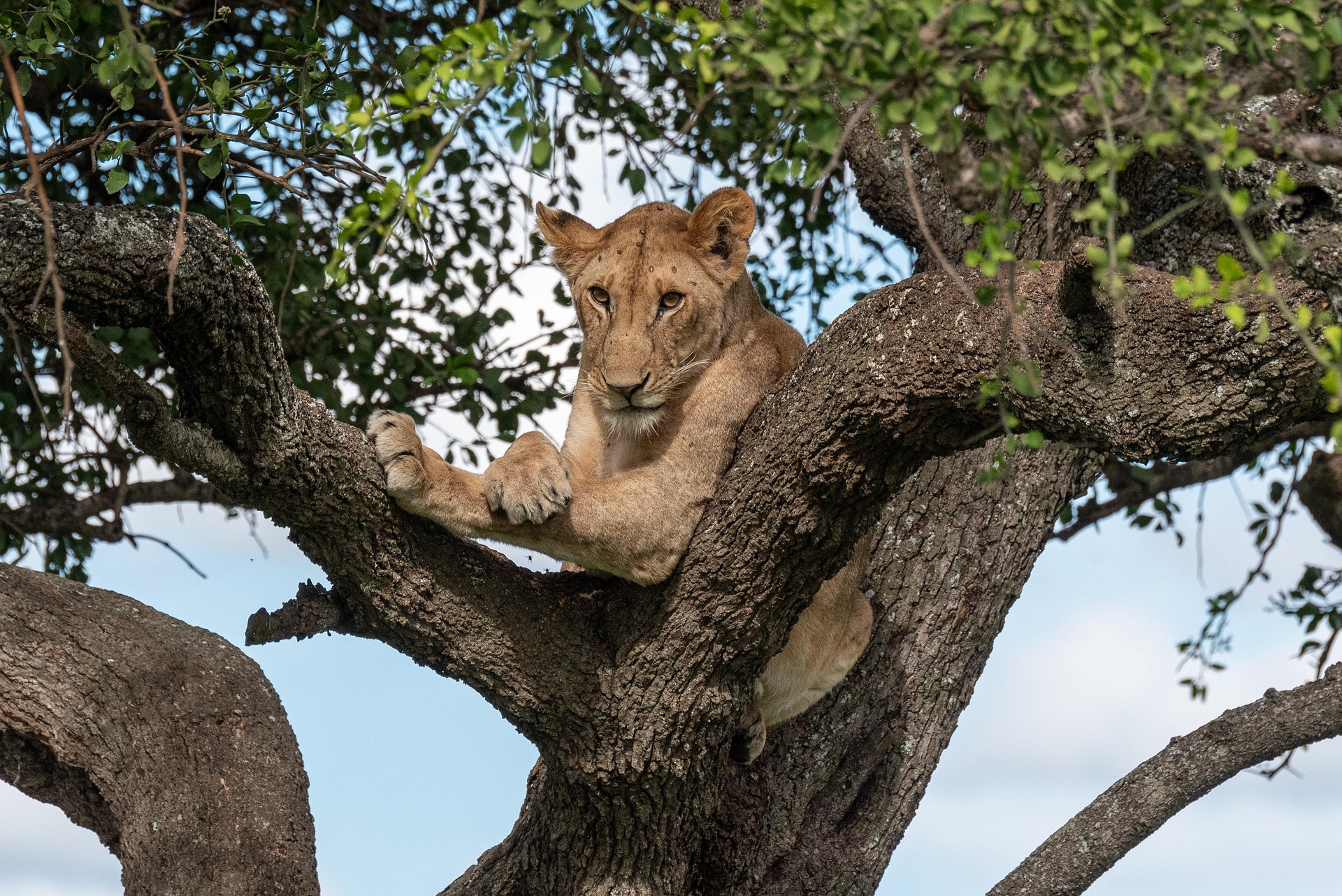
Occasionally seen resting in trees
The lake, when the water level suits
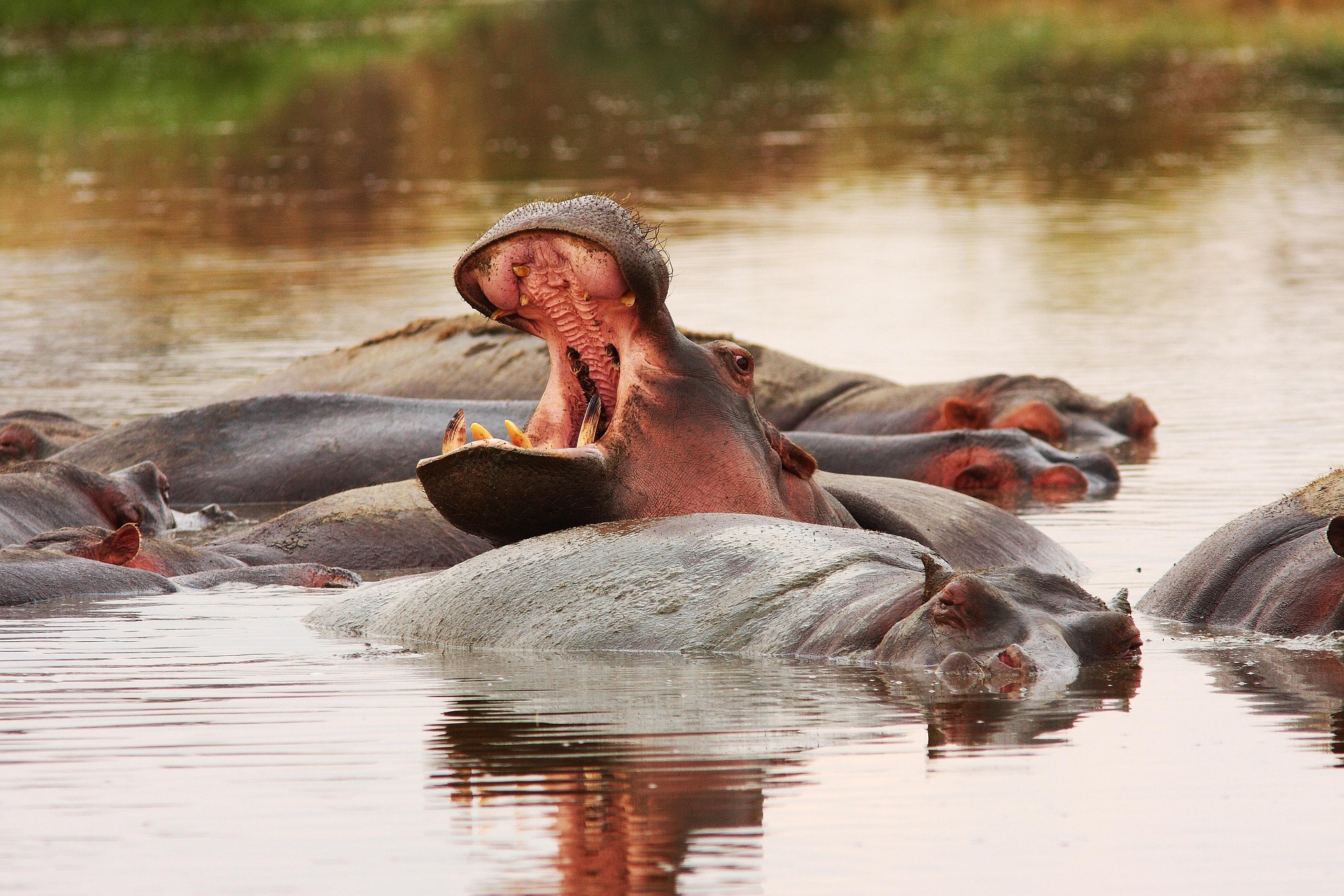
The hippo pool near the shore
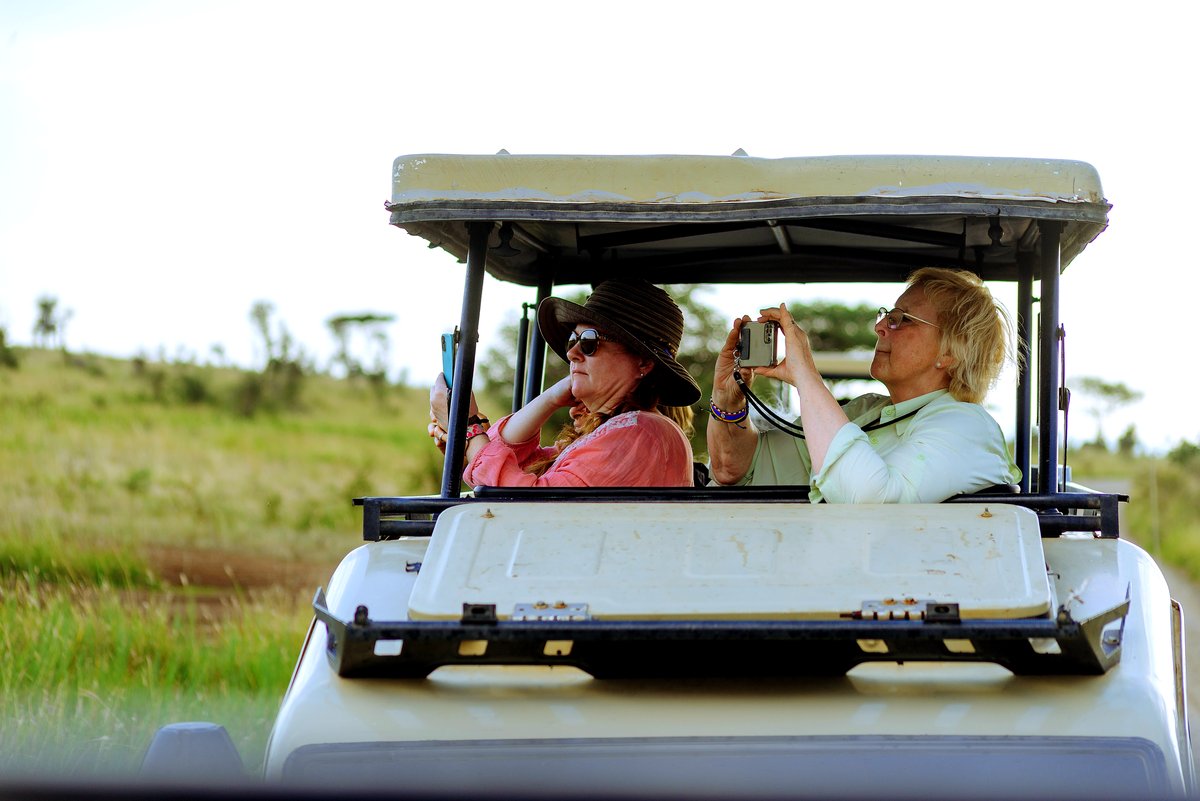
Forest and woodland
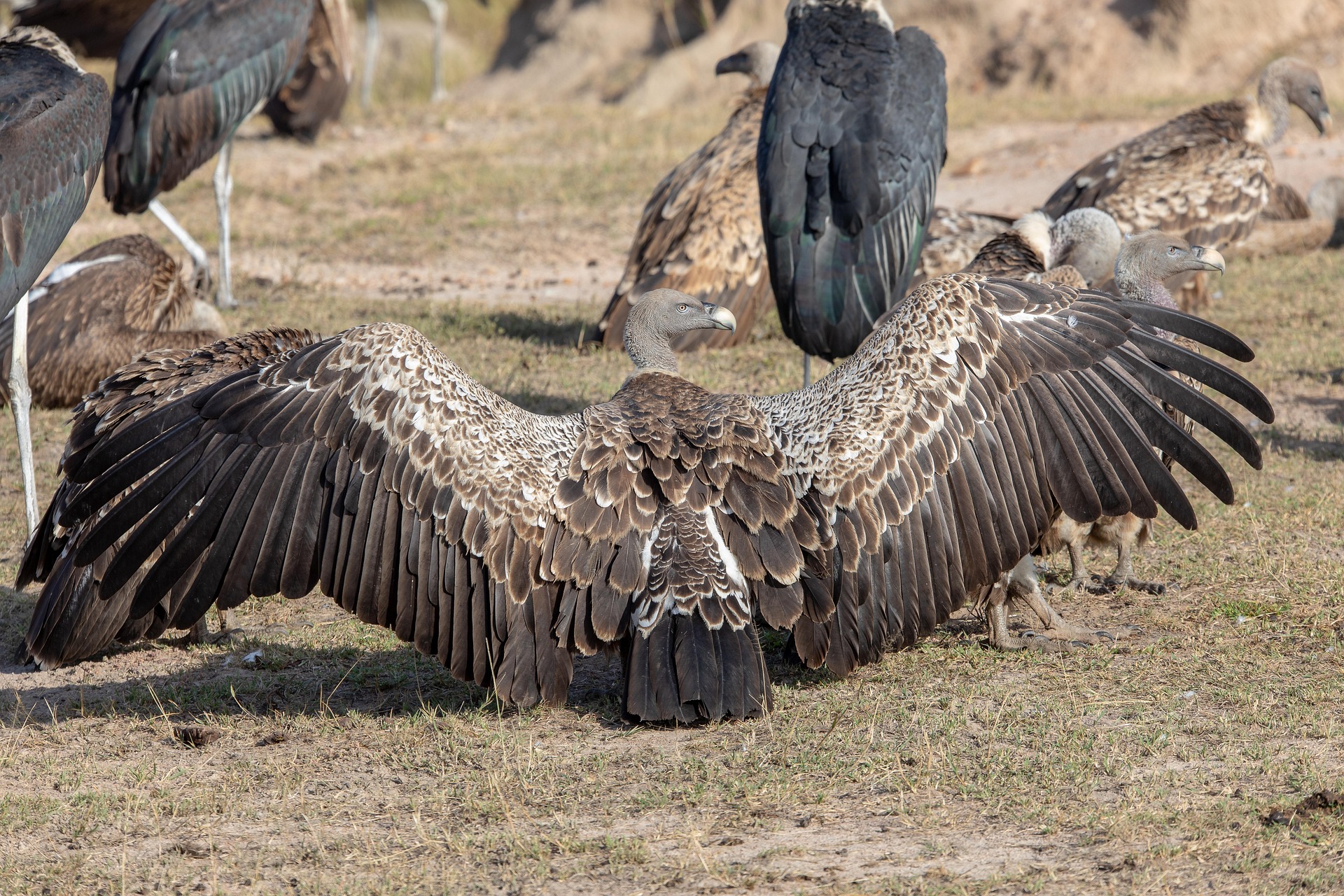
Forest, grassland and water birds
Lake Manyara
Yes, as part of a longer safari. It is small and close to the road to the crater, and its forest and lake feel different from the other parks. On its own it is not a reason to travel.
Possibly, but it is not something to plan around. Lions here are sometimes seen resting in trees, but sightings are irregular.
No. Flamingos come and go with the lake’s water and food, so numbers change from month to month and year to year.
A half day covers the main road through the forest to the hippo pool. A full day lets you reach the southern end.
Yes. It is the usual addition that turns a two-day safari into three, with less driving each day.