Full-moon & event summits 2026–2028 · join a group departure →
Trek Up Kilimanjaro
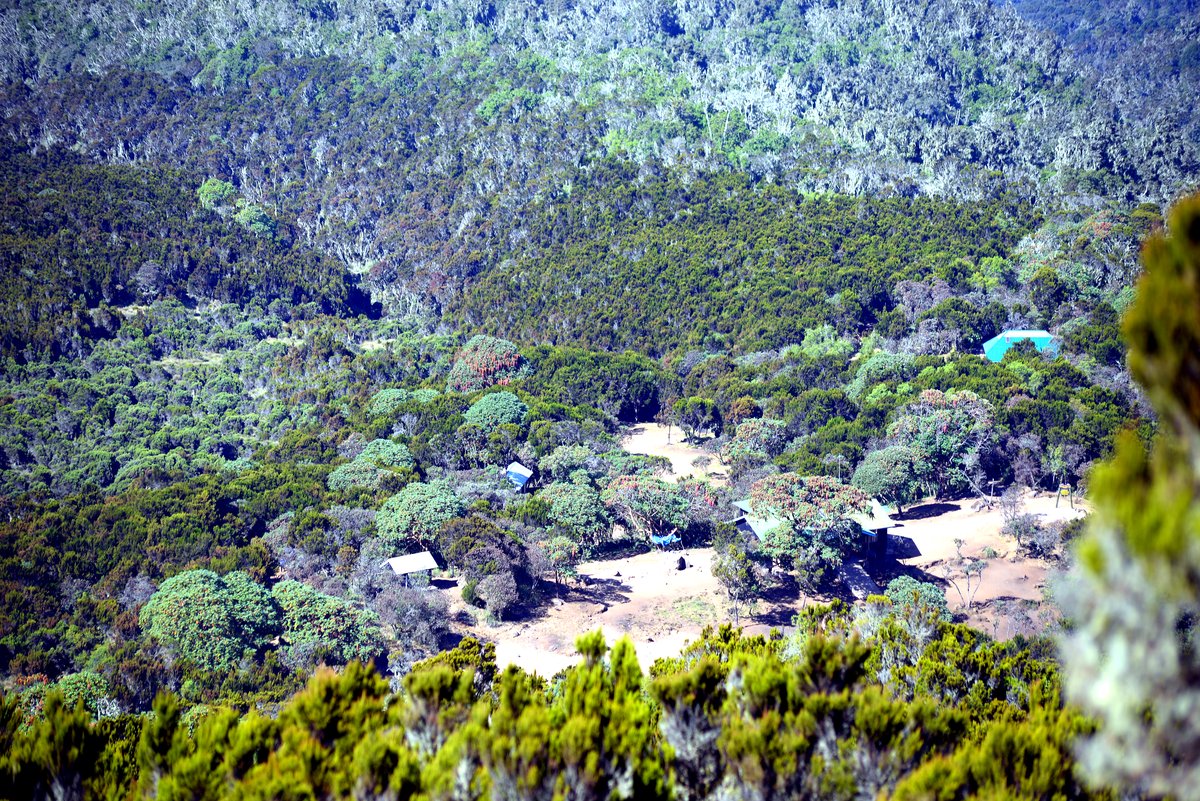
A high view over the moorland, the trail threading through it
Our recommended route

Lemosho Route

The best-balanced route on the mountain: a long, gradual western approach with the acclimatisation profile most first-time climbers should want.

In short

Lemosho begins on the quiet western side, crosses the Shira Plateau over two days and joins the southern circuit near Barranco. Its length is the point — the extra days are what let your body catch up with the altitude.

What it does well

  • The longest approach of the mainstream routes, which gives the body the most time to adapt.
  • Two nights on the Shira Plateau at around 3,500-3,900 m before the route climbs higher.
  • The western trailhead is far quieter than Machame Gate for the first two days.
  • Passes Lava Tower at roughly 4,600 m and descends to sleep lower, a genuine climb-high-sleep-low day.
  • Crosses every one of the mountain's climate zones.

What to weigh up

  • The longer itinerary costs more, because park fees are charged per day on the mountain.
  • From Barranco onward it shares the trail with Machame, so the last days are busier than the first.
  • A long drive to the trailhead on day one.

Route facts

8 days
Recommended length
67 km
Total distance
5,895 m
Highest point
West
Approach side
Mweka
Descent route
Camping
Sleeping
Challenging
Difficulty
Jan · Feb · Mar · Jun · Jul · Aug · Sep · Oct
Best months

The altitude profile

Circles mark sleeping altitudes. Those are what your body adapts to — the high points you walk over during the day matter far less.

Lemosho Route elevation profile Route Sleeping altitude
Lemosho Route elevation profile. Full data is given in the table below. 2,000 m 3,000 m 4,000 m 5,000 m 6,000 m Mti MkubwaCamp 2,650 Shira 1Camp 3,610 Shira 2Camp 3,850 BarrancoCamp 3,900 KarangaCamp 3,995 BarafuCamp 4,673 Uhuru Peak 5,895 Mweka Camp 3,100
Lemosho Route elevation profile
Day Location Altitude (m) Distance (km) Overnight
1 Londorossi Gate 2,100 0 No
1 Mti Mkubwa Camp 2,650 6 Yes
2 Shira 1 Camp 3,610 14 Yes
3 Shira 2 Camp 3,850 21 Yes
4 Barranco Camp 3,900 31 Yes
5 Karanga Camp 3,995 36 Yes
6 Barafu Camp 4,673 40 Yes
7 Uhuru Peak 5,895 48.5 No
7 Mweka Camp 3,100 57 Yes
8 Mweka Gate 1,640 67 No

The route, camp by camp

As walked on our 8 Days Lemosho Route itinerary, with the altitudes it gives.
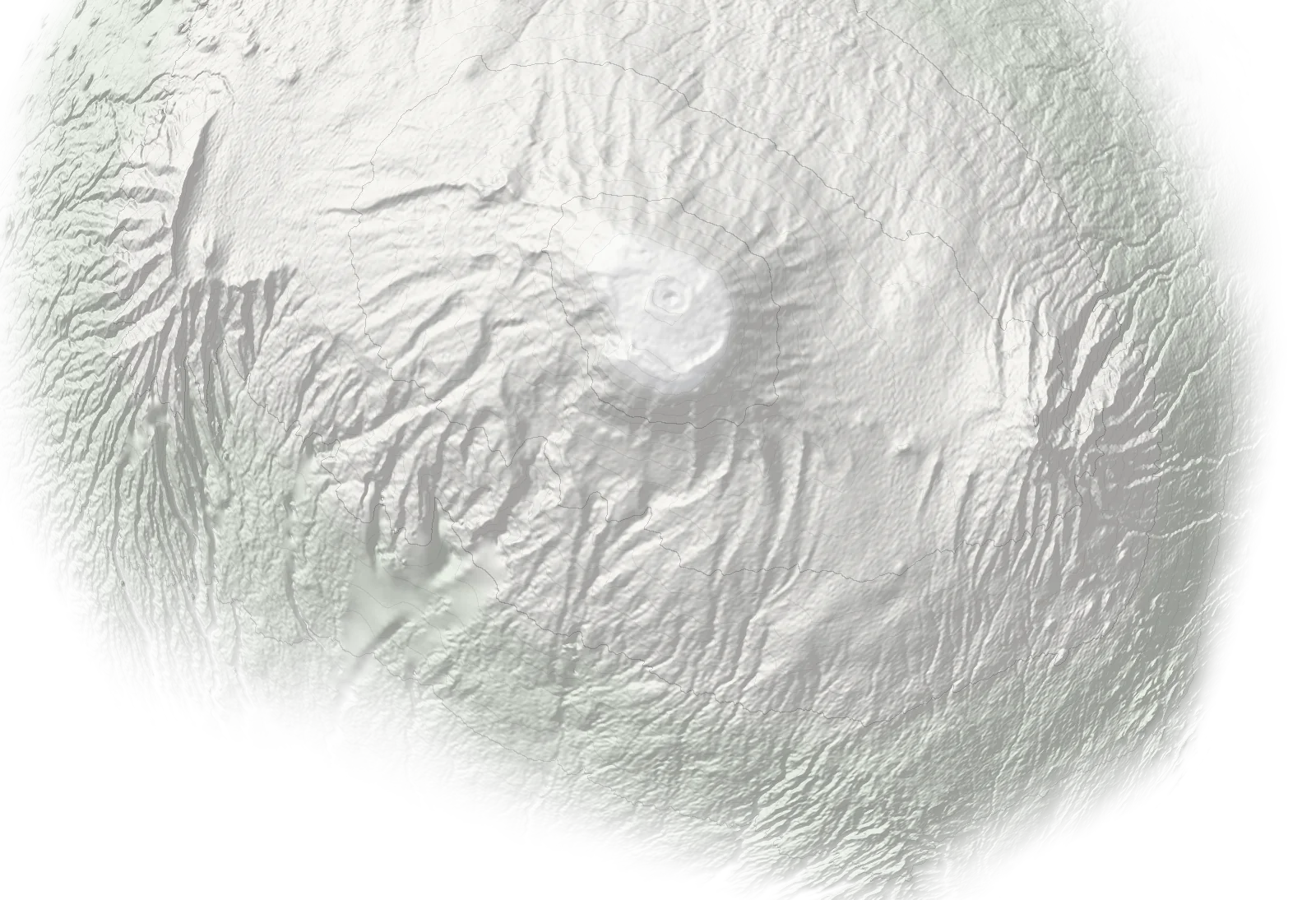
N Mawenzi Londorossi Gate2,100 m Mti Mkubwa2,650 m Shira 1 Camp3,610 m Shira 2 Camp3,850 m Lava Tower Barranco Camp3,900 m Karanga Camp3,995 m Barafu Camp4,673 m Uhuru Peak5,895 m Mweka Camp3,100 m Mweka Gate1,640 m
Ascent Descent Overnight camp Schematic map, not to scale: positions are approximate and not for navigation. Altitudes are from our itineraries. Terrain: SRTM (NASA), via Terrain Tiles on AWS.
  1. 01 Londorossi Gate gate 2,100 m
  2. 02 Mti Mkubwa (Big Tree) Camp camp 2,650 m
  3. 03 Shira 1 Camp camp 3,610 m
  4. 04 Shira 2 Camp camp 3,850 m
  5. 05 Lava Tower landmark —
  6. 06 Barranco Camp camp 3,900 m
  7. 07 Karanga Camp camp 3,995 m
  8. 08 Barafu Camp camp 4,673 m
  9. 09 Uhuru Peak summit 5,895 m
  10. 10 Mweka Camp · descent camp 3,100 m
  11. 11 Mweka Gate · descent gate 1,640 m

Day by day

These are the days of our 8 Days Lemosho Route.

01

Londorossi Gate to Mti Mkubwa Camp

  • 2,100 m → 2,650 m
  • 6 km
  • 3–4 hrs
  • Rainforest
↑ 550 m gained
A gentle opening trek through lush montane forest. The objective is restraint: settle into a sustainable pace, hydrate consistently and allow the body to begin adapting.
From
Londorossi Gate
To
Mti Mkubwa Camp
Sleeping altitude
2,650 m (8,694 ft)
02

Mti Mkubwa to Shira 1 Camp

  • 2,650 m → 3,610 m
  • 8 km
  • 5–6 hrs
  • Rainforest to heath
↑ 960 m gained
The forest thins and views open across the Shira Plateau. The substantial altitude gain makes deliberate pacing and hydration important.
From
Mti Mkubwa
To
Shira 1 Camp
Sleeping altitude
3,610 m (11,844 ft)
03

Shira 1 to Shira 2 Camp

  • 3,610 m → 3,850 m
  • 7 km
  • 3–4 hrs
  • Moorland
↑ 240 m gained
A shorter day across the plateau creates valuable recovery time. An optional acclimatization walk may be added in the afternoon.
From
Shira 1
To
Shira 2 Camp
Sleeping altitude
3,850 m (12,631 ft)
04

Shira 2 via Lava Tower to Barranco Camp

  • 3,850 m → 3,900 m
  • 10 km
  • 6–8 hrs
  • Alpine desert
↑ 50 m gained
Climb high toward Lava Tower at about 4,600 m before descending to Barranco. This classic climb-high, sleep-low day is one of the itinerary’s most important acclimatization stages.
From
Shira 2 via Lava Tower
To
Barranco Camp
Sleeping altitude
3,900 m (12,795 ft)
05

Barranco to Karanga Camp

  • 3,900 m → 3,995 m
  • 5 km
  • 4–5 hrs
  • Alpine desert
↑ 95 m gained
Begin with the Barranco Wall, a steep but non-technical scramble where guides manage spacing and hand placement. Continue through undulating terrain to Karanga.
From
Barranco
To
Karanga Camp
Sleeping altitude
3,995 m (13,107 ft)
06

Karanga to Barafu Camp

  • 3,995 m → 4,673 m
  • 4 km
  • 3–4 hrs
  • High alpine desert
↑ 678 m gained
A measured ascent to high camp. After an early dinner, the team completes summit preparation, layering checks, hydration and a detailed summit briefing.
From
Karanga
To
Barafu Camp
Sleeping altitude
4,673 m (15,331 ft)
07

Barafu to Uhuru Peak to Mweka Camp

  • 4,673 m → 3,100 m
  • 17 km
  • 12–16 hrs
  • Arctic summit to rainforest
↑ 1,222 m gained ↓ 2,795 m descended Sleeps 3,100 m
Depart around midnight for Stella Point and Uhuru Peak, the highest point in Africa. Descend to Barafu for a short recovery, then continue to Mweka Camp. This is the expedition’s longest and most demanding day.
From
Barafu
To
Mweka Camp
Sleeping altitude
3,100 m (10,171 ft)
Highest point
5,895 m
08

Mweka Camp to Mweka Gate

  • 3,100 m → 1,640 m
  • 10 km
  • 3–4 hrs
  • Rainforest
A final descent through the forest to Mweka Gate for park formalities and summit certificates, followed by transfer to your Moshi hotel.
From
Mweka Camp
To
Mweka Gate

What is and is not included

As listed on our 8 Days Lemosho Route. What the crew does and what we carry is the same on every itinerary we run here. The number of nights is not, and park fees are charged per night, so each climb page carries its own list.

What is included

Transfers

  • Airport pick-up and drop-off - Kilimanjaro International Airport (JRO) to/from your hotel
  • Private transfers to/from the mountain gate - Hotel to Kilimanjaro trailhead and exit gate to hotel

Meals & water

  • Pre & post-climb accommodation - 2 nights in Moshi (1 night before and 1 night after the climb) on Bed & Breakfast basis
  • Three freshly prepared meals per day on the mountain - breakfast, lunch and dinner
  • Nutritious snacks during the trek
  • Clean, purified drinking water throughout the climb
  • Hot water for washing each morning and evening where practical

Permits & park fees

  • Kilimanjaro National Park entrance fees
  • Camping fees
  • All applicable government taxes & VAT
  • Kilimanjaro summit certificate for successful climbers

Safety equipment

  • Kilimanjaro National Park rescue fees
  • Emergency supplemental oxygen
  • Pulse oximeter for monitoring blood oxygen saturation and pulse during the climb
  • First-aid kit and mountain emergency equipment
  • Daily health monitoring by the mountain guide
  • 24/7 emergency communication support between the mountain team and operations office

Guides & crew

  • Professional, licensed English-speaking Kilimanjaro mountain guide
  • Assistant mountain guides - according to group size
  • Professional mountain chef/cook
  • Porters - to carry group equipment, food and clients permitted duffel luggage
  • All mountain crew wages and salaries
  • Cooking tent and complete camp equipment
  • Private portable flush/chemical toilet with dedicated toilet tent and porter - throughout the trek

Camping equipment

  • Quality four-season mountain tents
  • Comfortable sleeping mattresses
  • Dining/mess tent with tables and chairs

Also included

  • Pre-climb briefing and equipment check
  • All logistical and operational support throughout the expedition

What is not included

  • International and domestic flights
  • Tanzania entry visa
  • Travel and medical insurance - clients should have appropriate coverage for high-altitude trekking up to at least 6,000 metres
  • Helicopter/air evacuation or specialist medical evacuation unless specifically included by the client insurance policy
  • Personal trekking equipment and clothing, including hiking boots, sleeping bag, down jacket, trekking poles, daypack and other personal gear
  • Equipment rental, unless specifically included in the quotation
  • Tips/gratuities for mountain guides, assistant guides, cook and porters
  • Lunch and dinner at the hotel before or after the climb unless specified
  • Soft drinks, alcoholic beverages and bottled drinks outside those specifically included
  • Personal snacks and energy bars brought by the client
  • Laundry services
  • Telephone calls, SIM cards, internet/data charges and other communication expenses
  • Additional hotel nights or transfers caused by flight changes, early arrival or late departure
  • Single-room or single-tent supplement, where applicable
  • Extra porter required for luggage exceeding the permitted mountain weight
  • Personal expenses such as souvenirs and shopping
  • Any activities, accommodation, meals, transfers or services not specifically stated in the itinerary
  • Costs arising from itinerary changes requested by the client or circumstances outside the company control

What it costs

Our 8 Days Lemosho Route, per climber. A smaller group pays more each because the crew, the vehicles and the camp cost the same however many of you there are.

Private climb prices by party size
Party size Per person
1 climber Private Solo Expedition — Maximum privacy. US$3,559
Scheduled group prices by party size
Party size Per person
2–4 climbers Small Group Rate — Shared value. US$3,279
5–7 climbers Group Discount Rate — Preferred group rate. US$2,999
8–10 climbers Best Group Rate — Best value per climber. US$2,799

Single supplement US$260 for a private hotel room before and after the climb. On the mountain, solo climbers have their own tent as standard.

Dates, group departures and the full price table

Who this route suits

A good fit for

  • First-time high-altitude trekkers
  • Climbers prioritising acclimatisation
  • Photographers
  • Private groups

Probably not for

  • Anyone with fewer than eight days available
  • Climbers who want hut accommodation

Itineraries on this route

Questions about this route

Answered for our 8 Days Lemosho Route. Everything else climbers ask is in the planning guide.

The route

Why eight days rather than seven?
The eighth day adds a second night on the Shira Plateau at around 3,500–3,900 m. That is where most of the useful acclimatisation happens, and it also means you reach Barafu with less accumulated fatigue before summit night. If you have the time, we would almost always suggest taking it.
How busy is the Lemosho route?
The first two or three days on the western side are among the quietest on the mountain. From Barranco onward Lemosho shares the trail with Machame, so the last few camps are considerably busier. If solitude is your priority throughout, the Northern Circuit or Rongai are better choices.
What is the Barranco Wall actually like?
It is a scramble, not a climb. You will use your hands in several places over about an hour and a half. No ropes, harnesses or technical skills are needed, and porters carry loads up it every day. Most people find it the most enjoyable morning of the trek.

Fitness & experience

How fit do I need to be?
Kilimanjaro is a long walk, not a technical climb, but it is a long walk at altitude on consecutive days. If you can walk for six to seven hours over hilly ground on back-to-back days without it ruining you, you have the base you need. Consistent hill walking with a loaded pack in the months beforehand is the single most useful preparation.
Can I climb Kilimanjaro if I have never been at altitude?
Yes, and most people who summit have not. Previous altitude experience is useful mainly because it tells you how your own body responds, which nobody can predict for you. That is a large part of why we recommend the longer itineraries for a first climb.

Altitude

What altitude will I sleep at?
The highest sleeping altitude on this itinerary is Barafu Camp at 4,673 m, on the night before the summit. The plateau nights at Shira 1 and Shira 2 are 3,610 m and 3,850 m.
Will I get altitude sickness?
Mild symptoms — headache, poor sleep, reduced appetite, breathlessness on exertion — are common above 3,000 m and are not in themselves a reason to stop. What matters is recognising the difference between mild symptoms and something more serious, which is why your guides take readings and ask you the same questions every morning and evening. This is informational rather than medical advice; please speak to a doctor with altitude experience before you travel.

Weather

How cold does it get?
Daytime temperatures in the forest can be in the mid-twenties Celsius. Summit night at 5,895 m is routinely between −10°C and −20°C before windchill. You will experience close to a fifty-degree range across a single week, which is why the layering system on the packing list matters more than any single item.

Summit day

What time do we start summit night?
Typically around midnight from Barafu, reaching the crater rim at Stella Point close to sunrise and Uhuru Peak shortly after. The exact time depends on the group and the conditions, and your lead guide will confirm it at the briefing the previous afternoon.
What happens if I cannot continue?
You descend, with a guide, and the rest of the group continues. Every itinerary is staffed so that this is possible without the whole group turning back. Turnaround decisions sit with your lead guide, and they are not negotiable — that is exactly what you are paying an experienced guide for.

Booking & payment

When should I book?
Peak months — January to March and June to October — fill up several months ahead, particularly for scheduled group departures. If your dates are fixed, earlier is better. Private climbs have more flexibility.

Travel logistics

Which airport do I fly into?
Kilimanjaro International Airport, code JRO, which sits between Moshi and Arusha. Airport transfers are included in this package.

Before you decide

At a glance

Acclimatisation 5/5
Trail traffic 3/5
Difficulty 3/5
Scenery 5/5